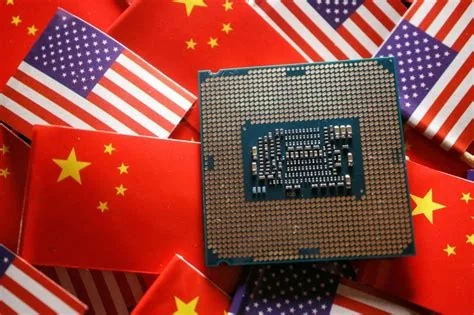
Supermicro co‑founder and board veteran Wally Liaw resigned after a federal indictment accused him of funneling billions in Nvidia AI servers to China, breaching U.S. export controls. The case, which centers on $2.5 billion in hardware shipments, has sent Supermicro’s stock tumbling and sparked fresh compliance scrutiny across the AI hardware supply chain.
Indictment Details
The Department of Justice unsealed an indictment in Manhattan, charging Liaw, 71, alongside Supermicro’s Taiwan general manager Ruei‑Tsang “Steven” Chang and a third‑party fixer identified as Ting‑Wei “Willy” Sun. Prosecutors allege the trio conspired from 2024 through 2025 to divert Nvidia GPUs—including the Blackwell chips subject to strict export restrictions—into the hands of Chinese buyers.
According to the filing, Liaw and Chang created a “Southeast Asian” shell company that appeared to be the legitimate end‑user of Supermicro’s AI‑optimized servers. The servers were assembled in the United States, shipped to Supermicro’s Taiwanese facilities, and then ostensibly delivered to the shell company. In reality, they were re‑packaged in unmarked boxes and sent onward to China, bypassing the Bureau of Industry and Security’s licensing requirements.
The scheme allegedly moved roughly $2.5 billion in server hardware. A three‑week window in late April–mid May accounted for about $500 million of shipments. To mask the operation, the conspirators created thousands of dummy servers—physical replicas that sat in the shell company’s warehouse while the genuine units vanished across the Pacific.
Impact on Supermicro
Supermicro’s shares slid about 12 % in after‑hours trading on March 20, and Liaw submitted his resignation letter on March 21, citing “personal reasons” while acknowledging the indictment. CEO Charles Liang told investors that Supermicro is “fully cooperating with authorities” and that internal compliance protocols are being tightened.
Beyond the stock dip, the case highlights how a senior executive can expose a company to severe regulatory risk. If you’re an investor, you’ll want to watch how Supermicro’s compliance overhaul unfolds, because board‑level breaches can reshape market confidence.
Compliance Overhaul
Supermicro has appointed former Intel executive Karen Wu as chief compliance officer. Wu’s mandate includes a full forensic review of past shipments, a revamp of internal controls, and a public disclosure framework to keep investors informed.
Compliance Lessons for the Industry
Practitioners can draw two clear takeaways:
- Real‑time export‑control monitoring – static checklists aren’t enough when senior leadership can manipulate shipping documentation.
- Trusted‑partner vetting – robust due‑diligence on third‑party logistics firms can prevent fake documentation and repackaging schemes.
Companies should treat export‑control compliance as a board‑level risk, with regular audits, transparent reporting, and clear escalation paths.
Legal Risks and Penalties
Violations of the Export Administration Regulations can carry up to 20 years in prison per count and hefty fines. Liaw faces a substantial custodial term if convicted, while Supermicro could see increased regulatory scrutiny and potential civil penalties.
Market Reaction
Supermicro’s market cap slipped roughly $1.2 billion after the news broke. Analysts downgraded the stock from “Buy” to “Neutral,” citing execution risk and reputational damage. Yet some investors argue that the company’s core high‑performance server business remains solid, and a decisive compliance overhaul could restore confidence.
Broader AI Hardware Implications
The scandal reinforces that U.S. authorities are willing to pursue high‑level actors in the AI supply chain. Companies handling AI accelerators must now view export‑control compliance as an essential component of corporate governance.