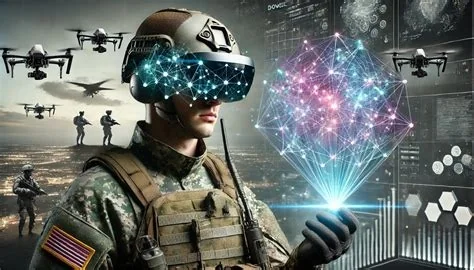
The US Department of Defense and AI giant Anthropic are locked in a heated dispute over the military use of AI technology. At the center of the controversy is Anthropic’s refusal to allow its AI model, Claude, to be used for “all lawful purposes” by the military. You’re probably wondering what’s behind this public feud, and what it means for the future of AI in warfare.
Anthropic’s Guardrails Spark Dispute
Anthropic had offered the Pentagon the ability to use its AI systems for missile and cyber defense purposes in contract negotiations. However, the company insisted on maintaining guardrails that prevent its systems from being used for mass domestic surveillance or direct use in lethal autonomous weapons. The Pentagon has given Anthropic until Friday at 5:01 p.m. to comply, or risk losing a lucrative contract.
Pentagon’s Ultimatum
Defense Secretary Pete Hegseth reportedly issued an ultimatum to Anthropic CEO Dario Amodei, demanding that the company allow its AI technology to be used for all legal military purposes. Representatives from the department discussed several hypothetical scenarios with Anthropic leadership about how the company’s products might be employed by the military. One scenario involved an adversary launching an intercontinental ballistic missile at the US, and whether Anthropic’s guardrails might block a US response.
Trust and Transparency Issues
The dispute is not just about the use of AI in warfare; it’s also about trust. As the Pentagon’s chief technology officer, Emil Michael, told a news outlet, “At some level, you have to trust your military to do the right thing.” But can we really trust the military to use AI responsibly? That’s a question that’s on many people’s minds. You might be wondering if the military’s concessions are adequate to address Anthropic’s concerns.
Contract Negotiations Breakdown
Anthropic quickly disputed Michael’s claims, suggesting that the military’s concessions were inadequate. According to an Anthropic spokesperson, new contract language received from the Pentagon “made virtually no progress on preventing Claude’s use for mass surveillance of Americans or in fully autonomous weapons.” The company argued that the new language was paired with legalese that would allow those safeguards to be disregarded at will.
Implications for AI in Warfare
The implications of this dispute are far-reaching. The use of AI in warfare is a rapidly evolving field, and the Pentagon’s clash with Anthropic is a departure from decades of defense innovation. As AI technology continues to advance, it’s essential to have open and honest discussions about its use and potential risks. You should be aware that the outcome of this dispute will have significant implications for the future of AI in warfare.
Future of AI in Warfare Uncertain
Will the Pentagon be able to convince Anthropic to drop its guardrails, or will the company refuse to compromise on its principles? One thing is certain: the use of AI in warfare is here to stay, and it’s up to us to ensure that it’s developed and deployed responsibly. The situation is complex, and it’s going to be a wild ride.
- The dispute between the Pentagon and Anthropic highlights the challenges of developing and deploying AI systems in complex and sensitive domains like warfare.
- The use of AI in warfare raises questions about trust, transparency, and accountability.
- The outcome of this dispute will have significant implications for the future of AI in warfare.
What’s next? The situation continues to unfold, and we’ll be keeping a close eye on developments.