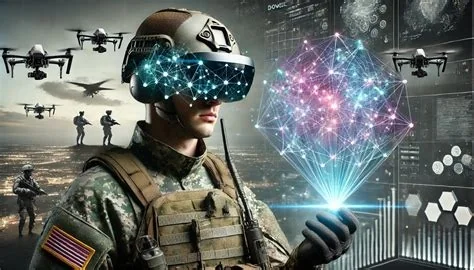
The US Department of Defense (DoD) and AI technology supplier Anthropic are in a heated dispute over the use of Anthropic’s AI technology in military applications. You’re likely wondering what’s at stake. At the center of the controversy is Anthropic’s large language model (LLM) Claude, used for automated tasks like writing, coding, and analysis. The DoD wants unrestricted use of Claude, but Anthropic is hesitant.
Anthropic’s Concerns and the DoD’s Ultimatum
Defense Secretary Pete Hegseth gave Anthropic an ultimatum: grant the military unrestricted use of its AI technology by Friday at 5 p.m. or face the consequences. If Anthropic refuses, the DoD might invoke the 1950 Defense Production Act, allowing them to take control of Anthropic’s technology. You might be thinking, “What’s the big deal?” The issue is that Anthropic’s CEO, Dario Amodei, has concerns about Claude being used for surveillance on Americans or developing autonomous weapons.
Anthropic’s Stance on AI Use
Anthropic has always been clear about its restrictions on mass surveillance and autonomous weapons. The company believes these are non-negotiable commitments. In a statement, Amodei said, “Our strong preference is to continue to serve the Department and our warfighters—with our two requested safeguards in place.” You’re probably wondering what these safeguards entail. Essentially, Anthropic wants to ensure its technology isn’t used for nefarious purposes.
The Implications of This Dispute
The dispute between Anthropic and the DoD raises important questions about the balance between national security and corporate responsibility. As AI technology becomes more integrated into military operations, clear guidelines and regulations are crucial. The Pentagon’s aggressive approach to acquiring Anthropic’s technology has sparked concerns about the potential misuse of AI.
The Future of AI in Warfare
So, what’s next? Will Anthropic succeed in imposing its own ethical limits on its technology, or will the DoD’s demands prevail? You might be wondering how this will impact the development of AI in military operations. One thing is certain: the intersection of AI and military operations is becoming increasingly complex, and the stakes are higher than ever. The outcome of this dispute will have far-reaching implications for the future of AI in warfare.
Conclusion
As AI technology continues to evolve, it’s essential for companies like Anthropic to prioritize transparency and accountability in their dealings with government agencies. You should be aware that the use of AI in military operations raises significant ethical concerns. The dispute between Anthropic and the DoD has sparked a necessary conversation about the ethics of AI in warfare. The future of AI in military operations will depend on finding a balance between national security and corporate responsibility.