OpenAI, the leading AI company, has revised its agreement with the Pentagon, adding stronger guarantees that its AI systems won’t be used for domestic surveillance. You might recall the backlash from critics who argued that the original language provided loopholes for the government to surveil Americans. Now, OpenAI’s CEO Sam Altman has emphasized that the company is committed to protecting the civil liberties of Americans.
What’s Changed in the Agreement?
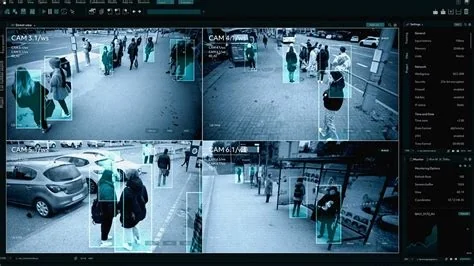
According to OpenAI’s updated agreement, the AI system shall not be intentionally used for domestic surveillance of U.S. persons and nationals. This clarification was made public on Monday night. But what exactly does this mean? You might wonder how effective these safeguards are in preventing mass surveillance. Researchers argue that without proper guardrails, AI could allow authorities to monitor individuals with unprecedented speed and accuracy, combing through mountains of digital data to track people’s movement and behavior.
Concerns and Criticisms
Vagueness and Carve-Outs
Some observers remain concerned that the contract language is still vague and provides carve-outs for domestic surveillance by various intelligence agencies within the Defense Department. OpenAI’s revised agreement also states that its services won’t be used by Department of War intelligence agencies, such as the NSA. However, the full text of the contract has not been released publicly, which has raised concerns among critics.
Need for Transparency and Accountability
As one expert noted, it’s critical to protect the civil liberties of Americans, but we need to see more concrete actions and transparent agreements to ensure that these safeguards are effective. You might agree that transparency and accountability are crucial in this matter. The intersection of AI and surveillance is becoming increasingly complex, and it’s up to companies like OpenAI to prioritize transparency and accountability.
What’s Next?
Will OpenAI’s revised agreement be enough to alleviate concerns about mass surveillance? One thing is certain: the debate around AI and surveillance will continue. As AI continues to play a larger role in national security, it’s essential for companies to prioritize responsible AI development and deployment. By doing so, we can build trust in AI systems and ensure that they are used for the greater good.
Future Collaborations and Safeguards
OpenAI’s CEO Sam Altman has stated that the company will be open to future work with the NSA if the right safeguards were in place. This suggests that OpenAI is committed to working with government agencies, but only if they can ensure that their AI systems are used responsibly. The revised agreement between OpenAI and the Pentagon is a step in the right direction, but it’s clear that there’s still more work to be done.