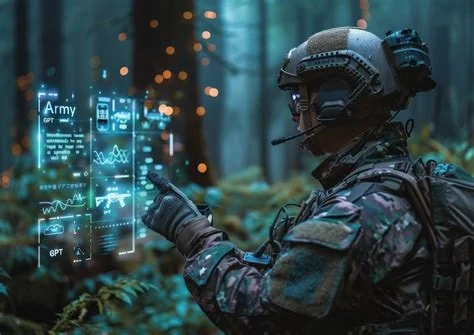
OpenAI, a leading AI company, has revised its agreement with the US Pentagon, adding more guardrails to prevent domestic surveillance. You might be wondering what’s behind this move and what it means for the future of AI in warfare. The revised agreement comes with enhanced safeguards, but concerns about AI’s role in surveillance persist.
What’s Behind the Revised Agreement?
OpenAI CEO Sam Altman announced that the company would add language to its agreement, explicitly prohibiting the use of its systems to spy on Americans. This move follows intense debate over how the military can use advanced AI systems. According to OpenAI, the revised agreement includes “more guardrails than any previous agreement for classified AI deployments.”
The Controversy Surrounding AI in Warfare
The use of AI in warfare raises important questions about the limits of AI’s use in war and surveillance. AI chatbots, like those developed by OpenAI, are not weapons on their own but can become part of weapons systems. They don’t fire missiles or control drones but can be used for intelligence, targeting, and other purposes. You should know that AI is used in various ways, including streamlining logistics, quickly processing large amounts of information, and providing data analytics tools to government customers.
Concerns About Domestic Surveillance
Researchers argue that without proper guardrails, AI could allow authorities to monitor individuals with unprecedented speed and accuracy. It’s critical to protect the civil liberties of Americans, and Altman emphasized that OpenAI’s services will not be used by Department of War intelligence agencies, such as the NSA. However, many observers remain concerned that the snippets of OpenAI’s contract with the Pentagon published by the company are purposefully vague and provide carve-outs for domestic surveillance by various intelligence agencies within the Defense Department.
What Does This Mean for the Future of AI?
As AI continues to play a larger role in warfare and surveillance, it’s essential to consider the implications of these developments. Are we comfortable with AI systems being used to monitor and track individuals, potentially infringing on their civil liberties? The answer to this question will depend on how we choose to regulate and oversee the use of AI in the military and beyond. Ultimately, it’s up to us to prioritize transparency, accountability, and regulation to prevent potential abuses.
Key Takeaways
- OpenAI has revised its agreement with the Pentagon to prevent domestic surveillance.
- The revised agreement includes enhanced guardrails for classified AI deployments.
- AI’s role in warfare and surveillance raises concerns about civil liberties.
- It’s crucial to prioritize transparency, accountability, and regulation to prevent potential abuses.
By refining the agreement, OpenAI takes a step in the right direction, but more work needs to be done to ensure that AI systems are not used for domestic surveillance or other purposes that infringe on civil liberties. You can expect ongoing debate and discussion about the implications of AI in warfare and surveillance.