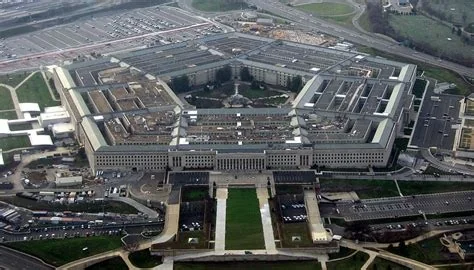
OpenAI is considering a contract to deploy its AI technology on NATO’s “unclassified” networks. This move comes after the ChatGPT maker secured a deal to deploy AI on the Pentagon’s classified systems. You might wonder what this means for the future of AI in military operations and how it will impact the company’s reputation.
OpenAI’s Military AI Ambitions
According to a person familiar with the matter, OpenAI CEO Sam Altman initially said in a company meeting that the company was looking to deploy on all NATO classified networks. However, a company spokeswoman later clarified that Altman misspoke, and the contract opportunity was for NATO’s “unclassified networks.”
NATO’s Interest in AI
NATO, a 32-member military alliance, is exploring ways to leverage AI for its operations. You should know that the alliance is looking into various technologies to enhance its capabilities, and AI is a key area of interest. While details about the potential contract are scarce, it’s clear that OpenAI is eager to expand its presence in the military AI space.
Controversy Surrounds OpenAI’s Pentagon Deal
OpenAI’s deal with the Pentagon was announced late last week, after US President directed the government to stop working with rival Anthropic. The company has agreed to changes to the “opportunistic and sloppy” deal it struck with the US government over the use of its technology in classified military operations. OpenAI said its AI systems “shall not be intentionally used for domestic surveillance of U.S. persons and nationals,” adding that the Pentagon also affirmed that AI services would not be used by intelligence agencies such as the National Security Agency (NSA).
Red Lines for AI Deployment
In an updated statement, OpenAI drew three explicit red lines: no mass domestic surveillance, no fully autonomous weapons systems, and no automated decisions with high consequences. Models are deployed exclusively via cloud infrastructure, with security-cleared employees involved. As you consider the implications of AI in military operations, it’s essential to think about the potential risks and benefits.
Walking a Fine Line
As OpenAI continues to navigate the complex world of military AI, it’s clear that the company is walking a fine line. On one hand, it’s providing critical technology to support military operations. On the other hand, it’s facing intense scrutiny over its role in potentially deploying AI in sensitive and classified environments. You might wonder if the company can balance its commercial interests with its social responsibilities.
Implications for AI Development
The OpenAI-Pentagon deal has significant implications for the future of AI in military operations. As governments and militaries around the world increasingly look to AI to support their operations, companies like OpenAI will be under pressure to balance their commercial interests with their social responsibilities. But are they equipped to handle the risks and challenges associated with deploying AI in high-stakes environments?
- OpenAI is exploring a contract with NATO to deploy AI technology on unclassified networks.
- The company has secured a deal with the Pentagon to deploy AI on classified systems.
- OpenAI has established clear red lines for AI deployment, including no mass domestic surveillance and no fully autonomous weapons systems.
The stakes are high, and the consequences of failure could be severe. As we move forward, it’s essential that we prioritize transparency, accountability, and responsible AI development. Are you ready for the potential consequences of AI in military operations?