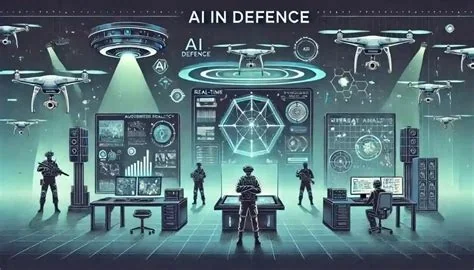
You’re about to see a significant leap in AI integration – OpenAI has signed a landmark agreement to deploy its generative AI models on a secure US Department of Defense (DoD) network. This deal enables classified-level AI workloads while meeting stringent cybersecurity standards. With this partnership, defense analysts, logisticians, and cyber operators can now leverage real-time language understanding, code generation, and data synthesis without exposing sensitive data to the public internet.
Understanding the Partnership
The multi-year contract allows OpenAI to run its flagship models—GPT-4o and future iterations—on the DoD’s classified “Joint Enterprise Defense Infrastructure” (JEDI) cloud. This marks the first time a commercial generative-AI provider has been granted access to a network that complies with the DoD’s RMF and FISMA requirements. You might wonder what this means for AI in defense – it signals a shift from experimental AI pilots to production-grade, mission-critical deployments.
Key Deliverables of the Contract
- Secure model hosting: OpenAI will host its large language models (LLMs) within the DoD’s isolated cloud.
- Custom compliance layer: A joint engineering team will embed DoD-specific security controls, such as data-at-rest encryption, role-based access, and continuous monitoring.
- Continuous model updates: OpenAI will provide quarterly model upgrades, allowing the DoD to benefit from the latest research.
Technical Scope and Implications
OpenAI is integrating third-party components that specialize in secure vector storage and retrieval. The Chroma DB integration will power fast, encrypted similarity search for classified documents, while the ElevenLabs AI voice integration will enable secure, synthetic speech for command-and-control interfaces. As Sam Altman, CEO of OpenAI, stated, “Partnering with the Department of Defense allows us to demonstrate that responsible AI can thrive in the most secure environments.”
Perspectives on the Deal
Lt. Gen. James H. Dickinson, Chief of Staff of the Air Force, commented, “This agreement is a milestone for the DoD’s AI modernization strategy. By leveraging OpenAI’s cutting-edge technology within a hardened network, we accelerate our ability to protect the nation.” You should consider the potential risks and benefits of AI in defense – it can help warfighters make faster, data-driven decisions while preserving national security.
Future of AI in Defense
This deal marks a significant step forward in integrating AI into defense operations. As AI continues to advance, we can expect to see more innovative applications and deployments. The implications of this agreement will ripple across the broader AI and defense ecosystems, setting several precedents for secure AI operations. With great power comes great responsibility – and the DoD’s AI modernization strategy is a step in the right direction.