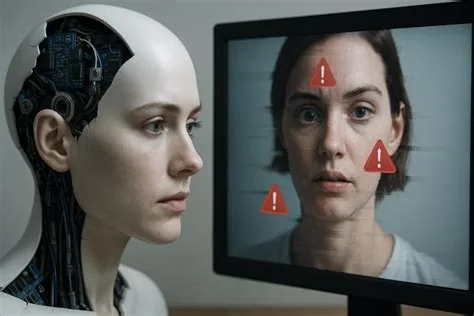
The upcoming elections in New Zealand are facing a significant challenge: AI-generated misinformation. You’re likely aware that generative AI has been used to create and spread misleading images and political content, including fake images of a landslide and AI-generated attack ads. This has led to public confusion, misinformation during a national disaster, and potential harm to election integrity.
Understanding the Risks of AI-Generated Misinformation
So, what’s behind this sudden surge in AI-generated misinformation? Research suggests that you are more likely to believe someone is guilty of a crime if you see a fake image or video of them committing the crime. This is particularly concerning in the context of elections, where voters’ perceptions can be easily swayed.
The Current Regulatory Landscape
In New Zealand, the current election laws lack mandatory AI disclosure requirements or broad prohibitions on misleading ads. This means that AI-generated content can spread freely, potentially distorting voters’ perceptions. You might wonder, what can be done to prevent this?
Tackling AI-Generated Misinformation
The issue isn’t limited to New Zealand. Misinformation seen by millions is spreading online, and many are wondering if the content they’re seeing is real or AI-generated. Experts recommend extending the false-statement ban, requiring disclosure of AI-generated content, and implementing broad prohibitions on misleading ads. These measures can help mitigate the risks associated with AI-generated misinformation.
What Can Be Done?
- Extending the false-statement ban to cover AI-generated content
- Requiring disclosure of AI-generated content
- Implementing broad prohibitions on misleading ads
But will these measures be enough? Can we trust that politicians and advertisers will disclose when they’re using AI-generated content? You have to be vigilant and question the authenticity of the content you consume online.
The Way Forward
The stakes are high, and it’s clear that something needs to be done. As AI technology continues to evolve, it’s imperative that our laws and regulations keep pace. You can help prevent the spread of misinformation by being critical of the information you consume and demanding transparency from politicians and advertisers.
A Call to Action
To mitigate these risks, practitioners must prioritize transparency, accountability, and regulation. This includes implementing robust disclosure requirements, fact-checking mechanisms, and strict guidelines for AI-generated content. By working together, we can ensure that AI technology is used responsibly and for the greater good.