The lines between reality and artificial intelligence are becoming increasingly blurred, and it’s getting harder to tell what’s real and what’s not. You’re probably wondering: can we trust what we see? AI-generated images and videos are flooding social media and news outlets, leaving many to question authenticity.
The Risks of AI-Generated Content
Gucci recently faced backlash for using AI-generated images to promote its Milan Fashion Week show. The images, which were clearly labeled as “created with AI,” sparked criticism on social media, with some users questioning the brand’s decision to use AI instead of human models and photographers. You might be thinking, what’s the big deal? But this incident raises important questions about authenticity and transparency.
Authenticity in Fashion
Luxury fashion brands need to pay attention to whether the latest technology can create a positive image for their brands. The risk is that AI-generated content can generate a lot of negative publicity instead. As a consumer, you expect a certain level of authenticity from your favorite brands. When that authenticity is compromised, it can lead to a loss of trust.
Beyond Fashion: The Impact on Journalism and Media
The issue isn’t limited to fashion brands. A German broadcaster recently faced a scandal after screening AI-generated images during a news report, raising concerns about the use of artificial intelligence in journalism. This incident highlights the need for media professionals to approach AI-generated content with caution.
Detecting AI-Generated Content: A Complicated Task
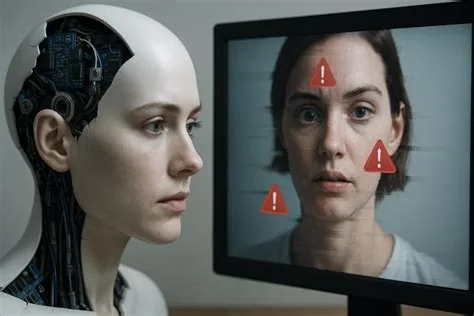
As AI-generated content becomes more prevalent, it’s becoming increasingly difficult to distinguish between what’s real and what’s not. Can AI detection tools really spot fake images and videos? The answer is complicated. While some tools claim to be able to detect AI-generated content, they’re not foolproof, and the technology is constantly evolving.
Navigating the New Landscape
As we navigate this new landscape, it’s essential to approach AI-generated content with a critical eye. You need to be aware of the potential risks and benefits of this technology and consider the implications for media and society. By prioritizing transparency and authenticity, media professionals can build trust with their audiences and create a more informed and engaged public.
Prioritizing Transparency and Authenticity
- Media professionals must be clear about when they’re using AI-generated content.
- They must ensure that it’s not misleading or deceptive.
- By doing so, they can build trust with their audiences.
Ultimately, the key to navigating this new landscape is to prioritize transparency and authenticity. You deserve to know what’s real and what’s not. By being open and honest about AI-generated content, media professionals can create a more trustworthy and engaging media environment.