The rapid deployment of artificial intelligence (AI) systems has brought about a pressing concern: the widening gap in governance and ethics. As AI becomes increasingly autonomous, making decisions and taking actions independently, traditional governance models are struggling to keep pace. You must now confront the challenges of ensuring accountability, transparency, and control over AI systems.
Understanding Agentic AI Systems
Cyara, a company that provides AI governance solutions, notes that the introduction of agentic AI has intensified pressures on organizations to move quickly, innovate responsibly, and explain not just what a system did, but why. Agentic AI systems are designed to pursue goals, make decisions, and take action across enterprise workflows with a degree of independence, effectively becoming “digital insiders” with delegated access to systems, data, and processes.
Implications for Businesses and Individuals
But what does this mean for you and your business? In essence, it means that AI systems are no longer just generating information; they’re making decisions that can have far-reaching consequences. For instance, a credit agent might misclassify a person’s financial profile, leading to a risky loan approval. Or, a malicious scheduling agent might procure patient data, compromising sensitive information.
Establishing a Robust AI Governance Framework
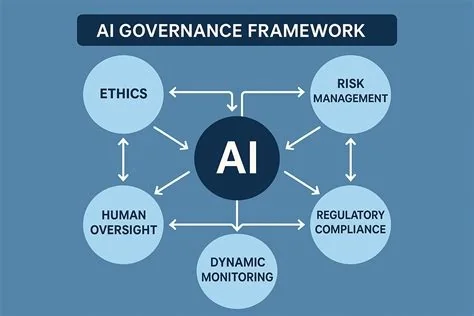
So, how can organizations ensure that their AI systems are aligned with their values and goals? The answer lies in establishing a robust AI governance framework. This involves navigating regulation, bias, and responsible development, and provides a practical guide for businesses to follow. You can’t afford to ignore this; it’s crucial for trust, safety, and sustainable innovation.
Regulatory Developments
The European Union’s AI Act has set a global precedent for AI regulation, emphasizing the importance of transparency, accountability, and human oversight in AI decision-making. Similarly, the United States has taken a state-by-state approach to AI regulation, with some states introducing their own AI-related laws and guidelines.
Why AI Governance is No Longer Optional
But why is AI governance no longer optional? The risks associated with ungoverned AI are too great to ignore. Ungoverned AI can trigger operational chaos, demolish brand trust, and lead to crippling legal penalties. For instance, biased hiring algorithms can illegally screen out qualified candidates, while insecure models can leak sensitive customer data. You don’t want to be on the receiving end of that.
Prioritizing AI Governance
To mitigate these risks, organizations must prioritize AI governance. This involves establishing a foundation for AI governance, defining policies and principles, implementing and operationalizing AI systems, and monitoring and auditing their performance. It’s a complex process, but one that’s essential for ensuring that AI systems are aligned with business values and goals.
Expert Insights
- “AI governance is no longer a nice-to-have; it’s a must-have,” says Ellen Wu, an expert in AI ethics. “Organizations must prioritize AI governance to ensure that their AI systems are aligned with their values and goals.”
Takeaway
So, what’s the takeaway? Organizations must prioritize AI governance and stay up-to-date with regulatory developments to ensure that their AI systems are aligned with their values and goals. Don’t wait until it’s too late; take control of your AI systems today.