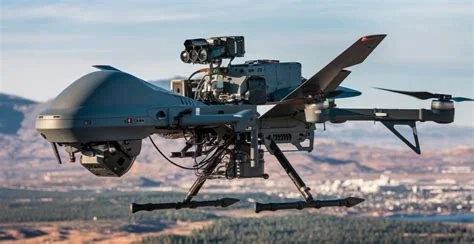
Modern conflicts now incorporate advanced technologies like Artificial Intelligence (AI), drones, electronic warfare, and real-time data analysis. You’re witnessing a seismic shift in how wars are fought, with AI’s role already shaping ongoing conflicts. This isn’t hypothetical; AI is transforming warfare, helping forces remain effective in contested environments.
How AI is Revolutionizing Drones
AI enables drones to perform complex functions autonomously, from advanced target recognition and tracking to dynamic mission planning. You might wonder what this means for the future of warfare. The influence of AI on strategic decisions, battlefield outcomes, and the pace of escalation is already being felt.
Rethinking Battlefield Intelligence
AI is redefining battlefield intelligence by gathering and analyzing vast amounts of data, providing commanders with real-time insights to inform their decisions. This capability is crucial in modern warfare, where the fog of war can be overwhelming. AI-driven drone technology helps forces stay effective, even in GPS-denied environments.
The Ethics of AI in Warfare
As militaries tap into commercial AI and drone tech to gain a strategic edge, concerns arise about trusting machines to make life-or-death decisions. Can we rely on AI systems to operate within established rules of engagement? The key is to create AI that understands the context and nuance of warfare, rather than simply following pre-programmed rules.
Autonomous Warfare and Accountability
AI is enabling drones to perform increasingly complex functions autonomously, raising concerns about potential AI misuse. You should consider the implications of AI-driven warfare and the need for transparency, accountability, and human oversight. The stakes are high, and the use of AI in military drones and tactics has the potential to transform the nature of conflict.
Preparing for an AI-Driven Future
For military leaders, integrating AI into drone technology presents both opportunities and challenges. On one hand, AI provides a strategic edge in situational awareness and decision-making. On the other hand, it requires careful consideration of AI-driven warfare ethics. As AI continues to evolve, it’s essential to prioritize transparency, accountability, and human oversight.
- Militaries must balance strategic advantages with accountability and transparency.
- The role of humans in decision-making will be crucial.
- AI will play a major role in shaping the battles to come.
The question remains: are you ready for the AI-driven future of warfare? The conversation has just begun, and it’s strong evidence that AI is transforming modern warfare.