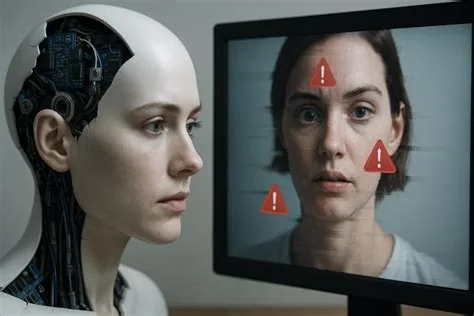
The rapid advancement of AI-generated video technology has made it increasingly difficult to distinguish between real and fake videos. This issue has significant implications, including the spread of misinformation, damage to personal and corporate reputations, and an escalation in cybersecurity threats. You might be wondering how researchers are addressing this challenge. They’ve been working to develop effective AI-generated video detectors, but their progress has been hindered by the lack of large-scale, high-quality datasets.
Introducing GenVidBench: A Game-Changing Dataset
A team of researchers has introduced GenVidBench, a challenging AI-generated video detection dataset that contains 6.78 million videos and is currently the largest dataset for AI-generated video detection. This dataset has several key advantages, including a large-scale video collection, cross-source and cross-generator generation, and state-of-the-art video generators. You can expect this dataset to aid in the development of generalized and effective detection models.
Can AI Detectors Accurately Identify AI-Generated Videos?
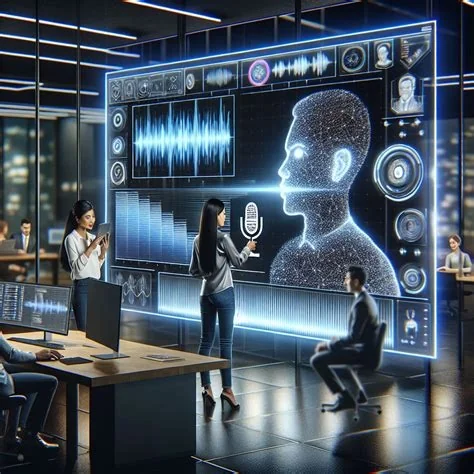
But can AI detectors accurately identify AI-generated videos? AI detectors work by analyzing various aspects of a video, such as its audio, visual, and metadata, to determine whether it’s real or fake. However, the accuracy of these detectors can vary depending on the quality of the video, the type of AI generator used, and other factors. For instance, if you’re trying to spot an AI-generated video, you might look for inconsistencies in the audio or visual cues, but AI detectors might not be able to catch these subtle differences.
The Limitations of Current AI Detection Tools
AI detection tools have been tested and have failed to accurately identify AI-generated images and videos. In fact, a study found that 90% of people were unable to spot AI-generated videos. These findings highlight the need for more effective AI-generated video detection methods. You might be surprised to learn that even experts struggle to distinguish between real and fake videos.
What’s Being Done to Address This Issue?
Researchers are actively exploring new approaches to detect AI-generated videos. For example, some researchers are using model-based classifiers that learn visual and audio cues to detect AI-generated videos. Others are developing new datasets, like GenVidBench, to aid in the development of more effective detection models. As you consider the implications of AI-generated video technology, it’s essential to understand the potential risks and benefits.
The Implications of AI-Generated Video Technology
Ultrarealistic AI video has significant implications for businesses, including operational, reputational, and legal risks. For instance, AI-generated videos can be used for phishing, financial fraud, and misinformation campaigns. Therefore, it’s essential for businesses to adopt practical defenses, such as content moderation and communications processes, to mitigate these risks. You should be aware of these potential threats and take steps to protect yourself and your organization.
Takeaways for Practitioners
- AI-generated video detection is a rapidly evolving field, and new approaches are being developed to address the challenges posed by ultrarealistic AI videos.
- Large-scale datasets, like GenVidBench, are crucial for the development of effective detection models.
- Businesses must adopt practical defenses, such as content moderation and communications processes, to mitigate the risks associated with AI-generated videos.
In the end, it’s clear that AI-generated video detection is a complex issue that requires a multifaceted approach. By staying informed about the latest developments in this field and adopting practical defenses, you can help mitigate the risks associated with AI-generated videos.