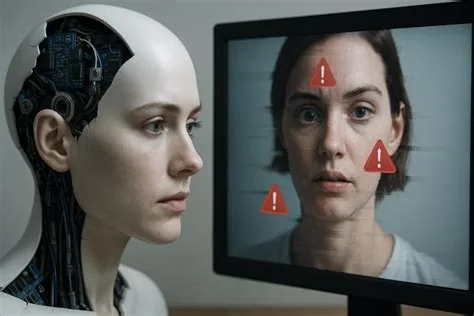
The rapid evolution of AI-generated content and deepfakes is causing widespread harm, from financial fraud and reputational damage to digital violence. You’re likely aware of the risks, but what’s driving this surge in AI-generated misinformation, and how can we stop it? Victims of AI-generated deepfakes include consumers misled by fake reviews, women targeted by deepfake abuse, and businesses suffering economic losses from AI-driven scams.
The Rise of Sophisticated AI-Generated Content
One major factor is the increasing sophistication of AI-generated content. AI-generated videos and images have become so lifelike that it’s often impossible to tell whether they’re real or fake. This has led to a crisis of trust, with many people unsure of what to believe. For instance, fake images of the Mount Maunganui landslide have been circulating on social media, fueling concerns about the role of AI-generated content in spreading misinformation.
Threats to Election Integrity
The problem is particularly acute in the context of elections. Generative AI is flooding social media with low-quality, misleading ‘AI slop,’ posing a significant threat to election integrity. You might be wondering what can be done to prevent this. Current laws lack AI disclosure requirements or broad prohibitions on misleading ads, leaving the country vulnerable to AI-generated misinformation.
Limitations of AI Detection Tools
Unfortunately, investigations have revealed that so-called “AI detectors” frequently misclassify content. This is a major problem, as it means that AI-generated content is often slipping through the cracks undetected.
Countermeasures and Regulatory Responses
Tech companies and researchers are developing countermeasures to detect and flag manipulated content. AI-based detection tools can now identify deepfakes with a high degree of accuracy, but more needs to be done. Regulatory responses are emerging, including proposals to extend the false-statement ban, require disclosure of AI-generated campaign content, and adopt disinformation registers.
Navigating the Complex Landscape
As we navigate this complex and rapidly evolving landscape, it’s essential to consider the implications of AI-generated content and deepfakes. Are we prepared for a world where it’s increasingly difficult to distinguish fact from fiction? Can we trust the information we consume online, or are we facing a crisis of truth?
A Multi-Faceted Approach
From a practitioner’s perspective, it’s clear that we need a multi-faceted approach to address the threat of AI-generated misinformation. This includes investing in AI detection tools, implementing robust regulations, and promoting media literacy. We also need to recognize the potential benefits of AI-generated content, such as its ability to enhance creativity and productivity.
Conclusion and Call to Action
Ultimately, the fight against AI-generated misinformation will require a sustained effort from governments, tech companies, and civil society. By working together, we can mitigate the risks associated with AI-generated content and deepfakes, and ensure that the benefits of AI are realized without compromising our values or our democracy. You can help by staying informed, engaging in public discourse, and supporting efforts to address this issue.
- Investing in AI detection tools is crucial to identifying and flagging manipulated content.
- Implementing robust regulations can help prevent the spread of AI-generated misinformation.
- Promoting media literacy is essential to empowering individuals to critically evaluate online information.
The threat of AI-generated misinformation is real, and it’s not going away anytime soon. But by taking a proactive approach, we can minimize its risks and ensure a safer online environment for everyone.