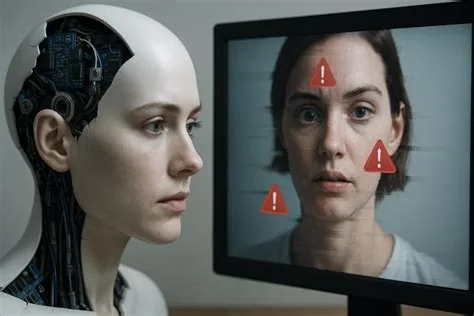
You don’t have to look far to see the impact of AI-generated content on elections. The rapid proliferation of this technology is transforming the misinformation landscape, posing significant threats to elections, governance, and market stability. As AI tools become increasingly sophisticated, they’re being used to create convincing, yet fake, images, videos, and text that can spread quickly online.
How AI-Generated Misinformation Works
AI-generated misinformation markets are structured ecosystems where synthetic content is produced, amplified, and monetized at scale. Automation lowers production costs, while algorithmic distribution increases speed and reach. You’re likely to come across this type of content online, and it’s essential to be aware of its potential impact. The real concern isn’t just the realism of the content, but the amplification velocity that consistently outpaces institutional verification capacity.
The Impact on Public Perception
Research suggests that people are more likely to believe someone is guilty of a crime when shown an AI-generated image – even when they know the content is fake. This raises serious concerns about the impact of AI-generated misinformation on your perception and decision-making. For instance, in New Zealand, AI-generated fake images of a recent landslide at Mount Maunganui were widely shared, misleading people at a time of national disaster.
What Makes AI-Generated Misinformation So Potent?
It’s not just the realism of the content; it’s the operational coherence of influence infrastructure. Generative AI tools produce persuasive text, realistic images, cloned voices, and synthetic video. Large language models reduce production friction, making it easier to create and disseminate fake content. The economics of synthetic influence also play a significant role. Low technical barriers, scalable automation, cross-border hosting, and encrypted coordination channels define the production side.
Mitigating the Risks
So, what can be done to mitigate the risks of AI-generated misinformation? Experts recommend extending the false-statement ban, requiring disclosure of AI-generated content, and implementing broad prohibitions on misleading ads. It’s also essential to educate you about the potential risks and benefits of AI-generated content. By working together, we can promote a more informed public discourse.
Concrete Steps to Combat AI-Generated Misinformation
- Tech companies can implement more robust fact-checking mechanisms and invest in AI-powered tools to detect and remove fake content.
- Policymakers can establish clear regulations and guidelines for the use of AI-generated content in elections and other critical contexts.
- The public can stay informed about the potential risks and benefits of AI-generated content and be cautious when consuming online information.
Staying Informed and Vigilant
As AI-generated content becomes increasingly prevalent, it’s essential to have a nuanced understanding of its potential impact. By staying informed and taking proactive steps, you can navigate the complex landscape of AI-generated misinformation. But can you really trust what you see online? And how will you know what’s real and what’s fake? These are questions you need to answer urgently, as AI-generated content continues to flood your social media feeds and threaten the very fabric of your democracy.