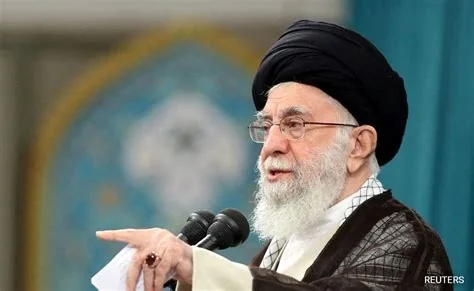
You’ve likely seen the shocking images circulating online, purportedly showing Iran’s Supreme Leader, Ayatollah Ali Khamenei, in a lifeless state. But what’s really going on here? Let’s break it down and get to the truth.
Spotting Fake Images
A closer look at these images reveals telltale signs of synthetic content. For instance, Khamenei’s hands and fingers appear deformed and ill-proportioned in one of the images. Additionally, experts have analyzed the images and established a high probability of them being AI-generated.
The Problem with AI-Generated Images
So, why are these images a problem? It’s simple: they contribute to the spread of misinformation. In times of crisis, accurate information is crucial. The Iranian government has not released any official photos of Khamenei’s body, and it’s essential to rely on verified sources. You must be cautious when sharing information online, as it can have serious consequences.
The Growing Concern of AI-Generated Content
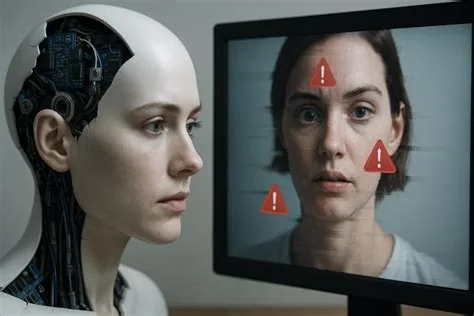
The incident highlights the growing concern about AI-generated content and its potential to deceive. As AI technology advances, it’s becoming increasingly difficult to distinguish between real and fake. This raises important questions about the role of AI in journalism and the need for fact-checking.
Consequences of Misinformation
The spread of misinformation can have far-reaching consequences, especially in sensitive situations like the US-Iran nuclear talks. The talks aim to revive a critical agreement, but the current situation is precarious. The Iranian Revolutionary Guards have vowed to launch a significant operation against Israel and US bases, which could escalate tensions in the region.
Takeaways for Consumers of Information
- Be cautious of images and videos that seem too good (or bad) to be true.
- Use fact-checking tools and detection software to verify the authenticity of content.
- Rely on verified sources and official statements.
- Be aware of the potential for AI-generated content to deceive.
It’s up to you – as consumers of information – to be critical and discerning. By doing so, you can help prevent the spread of misinformation and ensure that accurate information reaches the public.