The ongoing conflict between Iran and Israel has spilled over into the digital realm, with social media platforms being inundated with misinformation, manipulated images, and AI-generated content. You’re likely struggling to distinguish fact from fiction, and it’s no secret that social media has become a breeding ground for disinformation. But the current crisis in the Middle East has highlighted the alarming ease with which AI-generated content can spread like wildfire.
How AI-Generated Content is Being Used
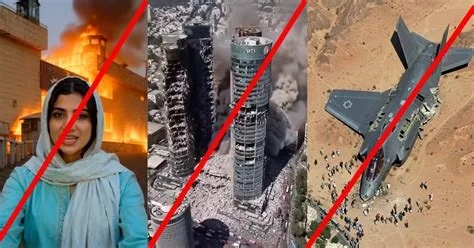
Many users are being duped by content generated using artificial intelligence (AI) being passed off as genuine war footage, or old imagery being misattributed to recent events. For instance, a video circulating on social media claimed to show the CIA headquarters in Dubai being targeted by Iran, but it actually depicted a 2015 fire at a residential building in Sharjah, a United Arab Emirates city.
The Sophistication of AI-Generated Content
What’s concerning is the sophistication of the AI-generated content. A post claiming to show the body of Iran’s supreme leader, Ayatollah Ali Khamenei, being pulled out from under rubble has been shared, but it remains unverified and appears to be AI-generated. When you upload such images to detection tools, they can identify digital watermarks that confirm they were digitally-generated.
The Impact on the Conflict Narrative
AI-generated content is being used to manipulate satellite images, turning them into misinformation. This has significant implications, as it can influence public opinion and potentially alter the course of the conflict. You’re seeing examples of manipulated images of explosions and fake videos being shared online, making it increasingly difficult to separate fact from fiction.
Combating the Spread of Misinformation
So, what can be done to combat this spread of misinformation? Social media platforms, fact-checking organizations, and governments must work together to develop effective strategies to mitigate the impact of AI-generated disinformation. This includes investing in AI detection tools, promoting media literacy, and implementing policies to prevent the spread of false information. As someone who’s concerned about this issue, you can also play a role by being cautious when consuming online information and verifying sources before accepting them as true.
What’s Next?
The use of AI-generated content in disinformation campaigns is a worrying trend. It’s not just about the potential to influence public opinion; it’s also about the risk of inciting violence or escalating the conflict. But there are steps that can be taken to address this issue. For instance, social media platforms can implement more robust fact-checking mechanisms, and governments can develop policies to regulate the use of AI-generated content.
- Be cautious when consuming online information
- Verify sources before accepting them as true
- Support efforts to promote media literacy and AI detection tools
By working together, we can help prevent the spread of misinformation and ensure that accurate information prevails.
It’s up to us to stay ahead of the curve and address this pressing concern. The intersection of technology and conflict is becoming increasingly complex.