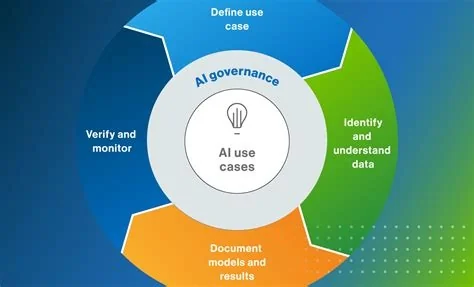
The rapid evolution of artificial intelligence (AI) has brought about numerous benefits, but also raises significant concerns regarding its impact on society. As AI technologies become increasingly integrated into our lives, you need to understand the need for effective governance and ethics frameworks. But who’s governing these frameworks, and what’s being done to address the potential risks and biases associated with AI?
Challenges in AI Governance
One of the key challenges in AI governance is ensuring transparency and equity. A study found that social participation is critical for mitigating algorithmic bias, enhancing transparency, and addressing inequalities in AI systems. However, practical implementation remains limited, with dominant perspectives marginalizing voices from other communities.
Hybrid Governance Model
The study proposed a hybrid governance model integrating rational dialogue and equity to legitimize AI in public administration. It also advocated for digital deliberative forums to amplify marginalized communities and decolonial approaches to address digital and sociocultural disparities. You should know that social participation is essential for ensuring that AI systems are transparent, equitable, and accountable.
AI in Military Contexts
The use of AI in military decision-making raises concerns about accountability, transparency, and the potential for bias. The dispute between the Pentagon and a leading AI developer highlights the tangible legal and ethical risks associated with AI in military contexts.
Risk Mitigation Strategies
A leading AI developer has published a guide to ethical AI and governance, which provides an overview of frameworks, risk mitigation strategies, and trusted AI practices. The guide emphasizes the importance of navigating regulation, bias, and responsible development. You can use this guide to understand the current state of AI governance and develop effective strategies.
Future of AI Governance
As AI continues to evolve, it’s clear that effective governance and ethics frameworks are essential for ensuring its responsible use. But what’s being done to address these concerns? As we move forward, it’s crucial that we prioritize transparency, equity, and accountability in AI development and deployment.
Multidisciplinary Approach
For AI developers, researchers, and policymakers, the debate over AI ethics and governance is critical. It requires a multidisciplinary approach, involving experts from various fields, including computer science, ethics, law, and social sciences. By working together, you can develop effective governance frameworks that prioritize transparency, equity, and accountability.
- Effective governance frameworks are essential for ensuring responsible AI use.
- Transparency, equity, and accountability are crucial in AI development and deployment.
- A multidisciplinary approach is necessary for developing effective governance frameworks.
Now, you might be wondering what’s next for AI governance. Ensuring that AI systems are transparent, equitable, and accountable is a top priority. The journey to get there won’t be easy, but with continued research, collaboration, and a commitment to responsible AI development, you can make it happen.