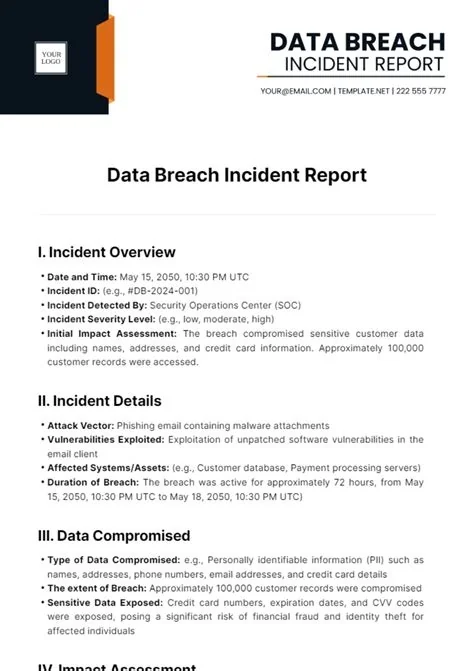
An unauthorized actor accessed YouX’s MongoDB Atlas database, extracting roughly 141 GB of data that includes personal details and loan information for an estimated 600,000 applications linked to about 100 lenders. The breach, discovered after the hacker posted the dump online, puts hundreds of thousands of Australians at risk of identity theft, fraud, and targeted phishing.
How the Breach Occurred
Misconfigured Cloud Database
YouX relies on MongoDB Atlas, a cloud‑based database service. When default settings aren’t tightened, entire collections can become reachable from the public internet. In this case, the attacker likely exploited a weak access control, gaining read access for an extended period and siphoning massive amounts of data.
Impact on Consumers and Lenders
Risks for Individuals
The leaked files contain names, contact details, driver‑license numbers, and financial information tied to loan requests. With that data, fraudsters can fabricate credit applications, manipulate existing accounts, or launch highly convincing phishing attacks that reference real loan details.
Operational Disruptions for Lenders
Lenders that depend on YouX’s platform may need to pause new applications while they verify the integrity of their data. Trust erosion can slow down processing, increase compliance costs, and force institutions to reach out to customers with security advisories.
Regulatory and Legal Implications
Australia’s Prudential Regulation Authority enforces strict data‑protection standards for financial firms, and the Office of the Australian Information Commissioner can impose significant fines under the Privacy Act for breaches involving personal information. While no penalties have been announced yet, a formal investigation is almost certain.
Key Security Lessons for Fintech
Cybersecurity experts stress that “secure‑by‑design” must move beyond buzzwords. The following practices can dramatically reduce breach risk:
- Enforce least‑privilege access – grant only the permissions needed for each role.
- Enable encryption at rest and in transit for all sensitive data.
- Conduct regular cloud‑configuration audits to spot misconfigurations before attackers do.
- Implement continuous monitoring with automated alerts to detect unusual activity quickly.
- Rotate credentials frequently and use role‑based access controls for every data store.
What Australians Should Do Now
If you’ve received a direct notice from YouX or your lender, follow the provided steps to protect your account. Otherwise, consider these actions:
- Place a fraud alert on your credit file with the major bureaus.
- Monitor your credit reports regularly for unfamiliar activity.
- Be skeptical of unsolicited emails or calls that reference loan applications you never submitted.
- Use strong, unique passwords for any financial services and enable two‑factor authentication where available.
The YouX breach highlights that the convenience of digital finance comes with hidden vulnerabilities. As fintech reshapes borrowing in Australia, you, lenders, and regulators must stay one step ahead of the hackers. Your vigilance today can make all the difference tomorrow.