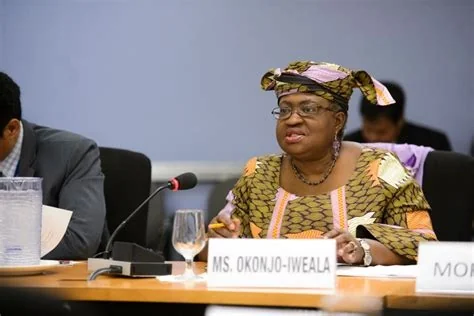
WTO Director‑General Ngozi Okonjo‑Iweala warned Nigerians about a fabricated video promising massive returns on a “government‑backed” investment. The clip uses her likeness and a polished voice‑over to lure users into sending money, but the offer is entirely fake. You should verify any financial pitch on official channels before reacting.
What the Fake Video Claims
The video advertises a limited‑time scheme that supposedly turns a ₦380,000 stake into ₦2.66 million within a week. It targets Nigerians over 30, says only 4,000 accounts are available, and boasts that “over 80 % are already reserved.” None of these promises come from the WTO.
How the Scam Operates
Scammers post the video on Instagram, Facebook and WhatsApp—platforms the real Okonjo‑Iweala never uses. By mimicking her voice and appearance, they exploit the trust people place in public figures and the allure of quick profits.
Warning Signs of Deep‑Fake Content
- Inconsistent lighting or shadows on the speaker’s face.
- Unnatural lip‑sync timing that doesn’t match the audio.
- Background noises that don’t align with the setting.
- Calls to action that request personal data or upfront payments.
Steps You Can Take to Protect Yourself
- Check the source: Only trust the verified X (Twitter) account of Ngozi Okonjo‑Iweala.
- Never share bank details or send money based on unsolicited offers.
- Cross‑verify any investment claim with official WTO communications.
- Report suspicious videos to platform moderators and local authorities.
Expert Insight on Deep‑Fake Detection
Digital forensics analyst Chinwe Obi notes that deep‑fakes often reveal subtle artifacts, such as mismatched lighting or odd audio‑visual sync. A quick frame‑by‑frame review can expose manipulation, but most users skip this step. Obi recommends that platforms add watermarking for verified public‑figure content and improve AI‑driven detection before such clips go viral.
Why Vigilance Matters
As AI tools become more accessible, the line between authentic and fabricated media blurs. Even senior global officials aren’t immune to impersonation, so staying alert is your first line of defense. By questioning unexpected pitches and confirming sources, you help protect yourself and your community from costly scams.