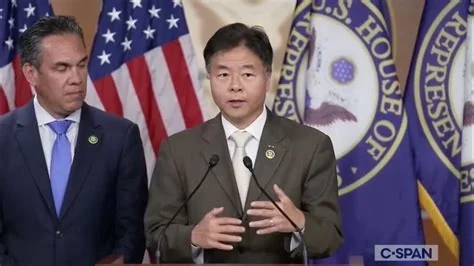
Yes, the short clip of Rep. Ted Lieu’s recent press briefing is genuine, and it wasn’t created by AI. The footage matches the original broadcast, but a misleading caption falsely claimed the video proved Trump’s crimes. You’ll learn how experts proved the visual integrity, why the caption matters, and what steps you can take to spot similar tricks.
Why the Clip Went Viral
The clip spread quickly because it showed a high‑profile lawmaker discussing disturbing allegations, and the visual authenticity made many assume the entire story was trustworthy. The caption, however, stripped away the nuance of Lieu’s remarks, turning a call for investigation into a sensational headline that many shared without verification.
How Experts Verified Authenticity
Technical Analysis of the Footage
Digital forensics analyst Maya Rosen walked through the verification process. She explained that the team compared hash values against the broadcast feed, examined each frame for compression artifacts, and checked metadata timestamps. No pixel‑level noise patterns or motion‑vector irregularities appeared, which indicated the video hadn’t been altered by AI.
Why Caption Accuracy Matters
Even when a video is untouched, the surrounding text can reshape its meaning. Rosen noted that fact‑checkers can confirm visual integrity, but a deceptive caption can still spread misinformation. She urged platforms to label content clearly so users can distinguish verified footage from unverified claims.
What You Should Do When You See Sensational Clips
- Verify the source of the video and compare it to the original broadcast.
- Read the full transcript or watch the entire segment before sharing.
- Look for verification labels or fact‑check notes from reputable organizations.
Key Takeaway
The video of Rep. Ted Lieu is authentic, but the narrative built around it is not. By checking both the visual source and the accompanying text, you can protect yourself from becoming part of a misinformation spiral.