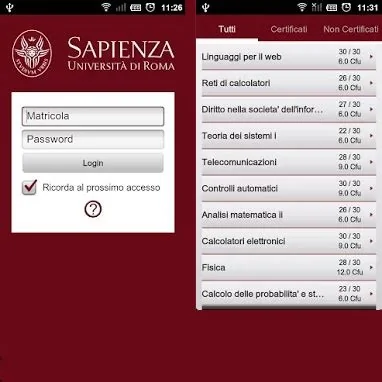
Sapienza University’s core systems were knocked offline by a coordinated cyber‑attack, leaving the Infostud portal—used by about 120,000 students for enrollment, grades, and study plans—still inaccessible. Within hours the main website vanished, professors reverted to paper records, and the university began a staged recovery. Here’s what happened, how it affects you, and what steps are being taken.
Attack Overview and Immediate Fallout
The breach targeted authentication servers, allowing attackers to lock down the student portal and the university’s public website. A ransom note with a 72‑hour countdown was left on the compromised systems, but officials have not confirmed any payment. Professors quickly switched to handwritten exam registers, and lecturers used personal websites, messaging apps, and social media to share updates.
Impact on Students and Faculty
With Infostud offline, students can’t enroll in exams, view grades, or access study plans. Many are left scrolling through Instagram for status updates, while faculty members scramble to keep academic records on paper. If you rely on the portal for any part of your coursework, you’ve likely felt the disruption firsthand.
Key Consequences
- Academic workflow stalled – exam cycles delayed and grading processes forced back to analog methods.
- Research data at risk – cloud‑based projects lost continuous access, threatening data integrity.
- Reputation concerns – the outage highlighted vulnerabilities in a major European university.
Recovery Efforts and Current Status
By mid‑week the public website was restored, but Infostud still shows a “service unavailable” error. The IT department is isolating affected segments and conducting forensic analysis before bringing the portal back online. Frequent status posts on social media aim to keep you informed, though many questions remain unanswered.
Security Analyst Perspective
Giulia Bianchi, a senior security analyst based in Rome, explains that the ransom countdown is a classic pressure tactic. “Public institutions face legal and reputational hurdles when considering payment,” she says. Bianchi notes that the university’s segmented architecture helped restore some services while keeping the compromised portal in containment.
Recommendations for Universities
- Implement multi‑factor authentication across all critical services to buy time during an intrusion.
- Adopt network segmentation to isolate breaches and prevent them from spreading.
- Conduct regular penetration testing and maintain a well‑drilled incident‑response playbook.
Lessons Learned and Future Outlook
The Sapienza incident underscores the danger of relying on a single portal for all student interactions. While the university’s communication has helped manage expectations, the lingering Infostud outage shows that restoring a complex, data‑rich system isn’t quick. Administrators will likely reassess cyber‑risk postures, invest in more resilient architectures, and balance convenience with security.
For you, the hope is a faster, safer digital experience once Infostud finally returns. In the meantime, expect continued updates via social channels and, unfortunately, a few more days of paper‑based processes.