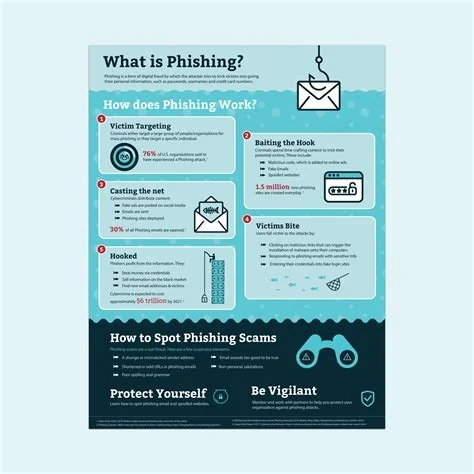
Bulk phishing attacks flood inboxes with thousands of deceptive messages, aiming to steal credentials, install malware, or hijack accounts. They rely on familiar branding, urgent language, and AI‑crafted copy to trick even savvy users. Spotting the tell‑tale signs—like mismatched URLs, subtle sender tweaks, and unexpected attachments—lets you stop the scam before it compromises your data.
How Bulk Phishing Works
Attackers send mass‑dispatched emails that look almost identical to legitimate communications from banks, cloud services, or streaming platforms. By using automated tools and AI‑generated content, they can personalize each message just enough to appear authentic, while still reaching millions of potential victims.
Key Indicators of Fake Emails
- Sender address anomalies – look for typos or domains that differ by a single character, such as “@paypa1.com”.
- Urgent or threatening language – phrases like “Your account will be closed in 24 hours” are classic pressure tactics.
- Mismatched URLs – hover over links; if the displayed address doesn’t match the brand’s official domain, don’t click.
- Unexpected attachments – PDFs or Office files that ask you to enable macros often hide malicious code.
- Inconsistent branding – logos that appear slightly distorted or colors that don’t match the official style guide.
Effective Defense Strategies
Relying on passwords alone is no longer enough. Implementing multi‑factor authentication (MFA) blocks attackers even if they harvest credentials. Combine MFA with behavior‑based email filters that flag unusual sender patterns and AI models that detect subtle language anomalies.
Regular employee training reinforces the “quick‑check” habit: verify the sender, scan for spelling errors, and avoid unsolicited links. Simulated phishing drills keep your team alert and help identify gaps in your security awareness.
Technology Controls
- Deploy endpoint detection and response (EDR) solutions that sandbox suspicious attachments before they reach the file system.
- Use AI‑driven threat detection to analyze email tone, structure, and metadata in real time.
- Enforce strict password policies and rotate credentials regularly.
Future Trends in Phishing
Phishers are already experimenting with deep‑fake audio calls that complement email lures, creating multi‑modal attacks that are harder to spot. As AI improves, you’ll see even more convincing impersonations, so staying ahead means continuously updating both technology and user education.
Takeaway
Phishing isn’t a relic; it’s an evolving threat that thrives on bulk distribution and human trust. By recognizing the seven tactics listed above, applying MFA, leveraging AI detection, and fostering a skeptical mindset, you can keep your personal data and organization safe.