Phishing is a deceptive cyber‑crime where attackers masquerade as trusted entities to steal credentials or force harmful actions. Today’s scams blend psychology, AI‑generated content, and hyper‑realistic impersonations, making them harder to spot. Understanding how these tactics have shifted from simple spam to deepfake‑driven lures helps you recognize the danger and protect your data.
What Is Phishing?
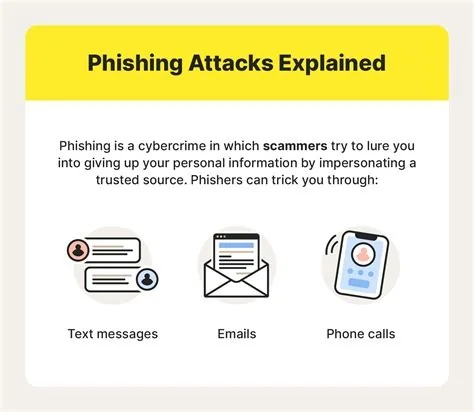
At its core, phishing tricks you into revealing confidential information or clicking malicious links by pretending to be a legitimate source—such as a bank, colleague, or popular brand. The attack can appear in email, SMS, social media, or even voice calls, turning everyday communication into a potential trap.
Why It’s Called Phishing
The name mirrors the fishing metaphor: cybercriminals cast digital lures hoping users will “take the bait.” Just as anglers use hooks, attackers use convincing messages to reel in victims.
From Simple Spam to AI‑Driven Deepfakes
Early phishing in the 1990s relied on generic spam targeting AOL users. Modern campaigns leverage AI to craft personalized messages that reference your name, recent projects, or travel plans. Deepfake audio and video now let fraudsters impersonate executives in real‑time calls, a technique known as “vishing.”
Who Is Targeted?
Anyone online can be a victim, but attackers prioritize high‑value accounts—executives, finance teams, and users with privileged access. Small businesses are especially at risk because they often lack dedicated security resources.
Real‑World Impact
A single successful click can hand over admin credentials, leading to data theft, ransomware encryption, or unauthorized wire transfers. High‑profile breaches have resulted in multi‑million‑dollar losses and severe brand damage, proving that phishing remains one of the most damaging cyber threats.
How to Protect Yourself
- Verify before you click: If an email claims to be from your bank or a colleague, confirm its authenticity through a separate channel.
- Enable multi‑factor authentication (MFA): Even if credentials are stolen, MFA adds a barrier that most phishing kits can’t bypass.
- Use AI‑powered email filters: Modern filters can flag anomalous language patterns and suspicious sender domains.
- Participate in regular training: Simulated phishing exercises keep you alert; the more you see, the less likely you’ll bite.
Future Outlook
As attackers continue weaponizing AI, the line between genuine and forged communications will blur further. Security teams must adopt dynamic defenses—behavior analytics, real‑time threat intelligence, and automated response playbooks—to stay ahead. By staying informed, demanding verification, and leveraging modern tools, you can keep the hook out of your inbox.