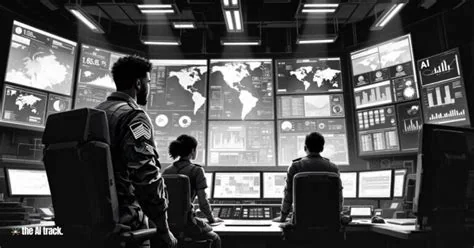
The Pentagon is weighing whether to end its contract with Anthropic after a heated dispute over how the Claude models can be used on classified systems. Officials say they need full auditability and direct security controls, while Anthropic insists on safeguards that protect its commercial interests. The outcome will shape how the military sources AI going forward.
Why the Pentagon Is Rethinking Anthropic
Defense leaders argue that without guaranteed control, any large‑language model could become a liability in sensitive missions. They’re demanding that the technology be as lock‑tight as traditional classified software, which means embedding government‑approved security layers and ensuring complete traceability of model outputs.
Security vs. Control
Anthropic’s safety‑first stance means it won’t hand over unrestricted access to its models. The company fears that excessive meddling could jeopardize its broader commercial commitments. Meanwhile, the Pentagon insists that full transparency is non‑negotiable for any AI used in classified environments.
Impact on the Defense AI Market
If the partnership ends, you’ll likely see a shift toward the existing AI giants that already meet the DoD’s strict requirements. Smaller vendors might struggle to gain footholds unless they adopt similar audit frameworks. This could consolidate AI procurement around a few dominant players.
What This Means for AI Vendors
Every AI supplier eyeing defense contracts now faces a clear message: you must be able to prove that your models can be securely audited and controlled. The Pentagon’s stance is pushing the industry toward more rigorous compliance standards.
Auditing and Transparency Demands
- Mandatory code reviews for model updates.
- Real‑time monitoring of inference requests.
- Secure data pipelines that prevent unauthorized data leakage.
These requirements, while demanding, could actually help vendors avoid accidental policy violations and build trust with government customers.
Balancing Innovation and Regulation
Policy analysts warn that overly restrictive contracts might stifle cutting‑edge research. Yet, without clear safeguards, the risk of misuse grows. Striking the right balance will be crucial for sustaining both technological progress and national security.
Next Steps for the Department of Defense
The Pentagon is expected to issue a final decision within weeks. If Anthropic concedes to the security demands, the partnership could survive and set a precedent for future AI deals. If not, the department will likely redirect spending toward existing partners or launch a new solicitation that explicitly addresses the safety concerns raised by Anthropic.