
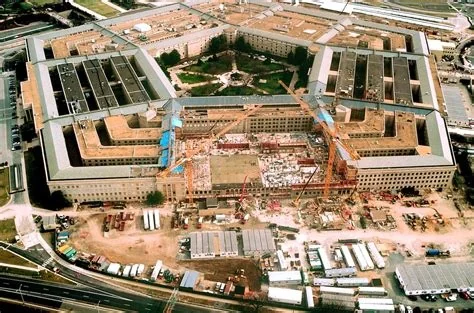
The Pentagon has stalled a multibillion‑dollar deal with Anthropic because the startup insists on strict guardrails for its AI models. Anthropic says unrestricted military use could breach its safety policies, while the defense department pushes for broader deployment flexibility. If you follow the story, the clash could reshape how commercial AI integrates with national security.
Why Anthropic Demands Guardrails
Anthropic argues that its generative AI systems, which can assist with logistics planning and threat analysis, must be bounded by safety protocols. The company worries that without clear limits, its models could be weaponized without human oversight, violating internal policies and broader ethical standards. This stance reflects a growing trend among AI firms to protect their technology from misuse.
Pentagon’s Push for Fewer AI Limits
The Department of Defense, however, is pressing for “fewer AI limits.” It wants the models to operate with broader latitude in war‑fighting and surveillance scenarios, believing that tighter guardrails could slow the integration of cutting‑edge capabilities. The agency maintains that it can still ensure responsible use while meeting operational needs.
Implications for the Defense Sector
The standoff highlights several key tensions:
- Legal and ethical risk:
- Competitive edge:
- Market signals:
Potential Outcomes of the Amodei‑Hegseth Talks
Chief Executive Dario Amodei is set to meet Defense Secretary Pete Hegseth. The meeting could go one of three ways:
- Compromise reached:
- Negotiation break‑down:
- Partial agreement:
What This Means for You and the Future of AI‑Defense Partnerships
For anyone watching the AI‑defense landscape, the clash signals that commercial AI firms are no longer willing to accept unrestricted government use. If you’re a stakeholder, expect future contracts to embed more robust ethical clauses. Meanwhile, the Pentagon faces a crossroads: adapt its procurement expectations or risk alienating a generation of AI innovators.


