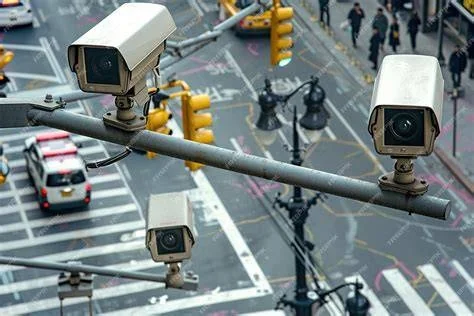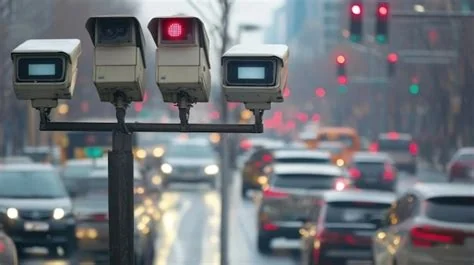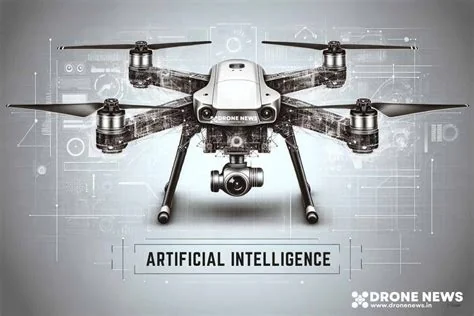
Italian law‑enforcement agencies are warning that a surge in drone‑delivered ransomware and AI‑as‑a‑service hacking is reshaping the threat landscape. Criminals now drop malicious payloads from commercial quadcopters while AI‑crafted phishing lures flood inboxes, forcing you and your organization to rethink detection and response strategies. The convergence of aerial intrusion and automated AI attacks shortens the kill chain, turning days‑long breaches into hour‑long incidents.
Why Drone‑Enabled Crime and AI‑Powered Hack‑for‑Hire Matter
Both vectors amplify each other: drones provide a physical foothold that bypasses traditional perimeter defenses, and AI‑generated phishing automates credential theft at scale. Together they erode the assumptions that digital and physical security can be managed separately.
AI‑Generated Phishing Becomes a Service
Threat actors now rent AI tools that produce hyper‑personalized emails, voice deepfakes, and video impersonations. A single model can churn thousands of convincing lures, each mimicking a trusted colleague’s writing style or tone, making detection far harder than ever before.
Physical Intrusion via Commercial Drones
Organized crime cells employ off‑the‑shelf quadcopters to fly over facilities, drop malicious USB sticks or Wi‑Fi devices into server rooms, and remotely trigger zero‑day exploits. This aerial approach sidesteps walls and cameras, delivering malware straight to the heart of the network.
Impact on Critical Infrastructure, Enterprises, and Individuals
For critical infrastructure, a drone‑delivered exploit could shut down a power substation or water treatment plant before alarms even sound. Enterprises face brand damage, financial loss, and eroded trust as AI‑powered phishing erodes internal communications. Individuals risk identity fraud from deep‑fake impersonations that were once limited to state‑level actors.
What Organizations Should Do Now
- Harden the supply chain – patch identified CVEs promptly and enforce strict vendor verification.
- Deploy AI‑enhanced email security – use solutions that detect deep‑fake artifacts and anomalous language patterns.
- Integrate physical security analytics – add drone detection sensors and real‑time perimeter monitoring to existing SOC workflows.
Hardening the Supply Chain
Rapid patch management and continuous vendor risk assessments reduce the attack surface that AI‑driven tools often exploit.
Deploy AI‑Enhanced Email Security
Advanced filters that analyze metadata, voice signatures, and visual cues can spot AI‑crafted lures before they reach end users.
Integrate Physical Security Analytics
Deploy radar or acoustic sensors to detect low‑altitude drones, and tie alerts into your SIEM so that physical breaches trigger immediate digital investigations.
Government and Law‑Enforcement Actions
The national cyber‑response team has created a rapid‑response unit focused on drone‑related incidents, while law‑enforcement urges firms to audit aerial entry points, enforce multi‑factor authentication, and report suspicious drone activity promptly. If you follow these guidelines, you’ll stay ahead of the converging threat vectors.