
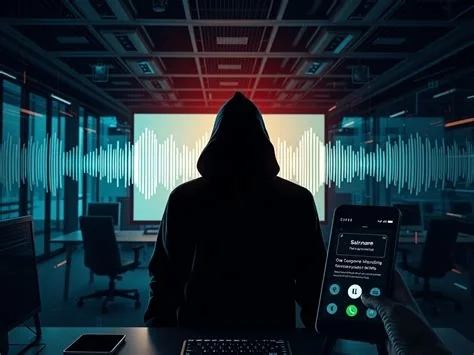
Hong Kong’s prosecutor has released a detailed playbook that shows how criminals exploit AI‑generated voice and video to hijack WhatsApp accounts. The guide walks you through the entire clone‑and‑con process—from crafting a synthetic voice that mimics a trusted contact to seizing control with a six‑digit verification code—helping you understand the new threat and how to defend against it.
What the Playbook Reveals
The document maps a step‑by‑step workflow that blends deep‑fake audio with classic social engineering. First, attackers generate a synthetic voice using publicly available AI tools, feeding the model with just a few minutes of real speech. Next, they exploit WhatsApp’s change‑number and two‑step verification features to lock the legitimate user out and take over the account.
Creating Convincing Deep‑Fake Voices
AI services can produce a voice replica in minutes and at virtually no cost. By training the model on a short voicemail or video clip, fraudsters obtain a sound that sounds indistinguishable from the real person, making it easy to trick victims into trusting the call.
Hijacking WhatsApp Accounts
Once the fake voice is ready, the scammer initiates a “change‑number” request, prompting the victim to receive a six‑digit verification code. When the attacker enters that code, they gain full control of the chat history, contacts, and any linked payment links, effectively locking the genuine user out.
Why It Matters to You
The convergence of AI and a ubiquitous messaging platform creates a perfect storm. You rely on familiar voices and instant messages, yet a synthetic replica can bypass those trust cues in seconds. If you’re not prepared, a single compromised WhatsApp account can become a gateway for financial theft, identity fraud, or malware distribution.
Defensive Measures for Individuals
- Verify any unexpected request for money or personal data through a separate channel—call the person back on a known number, not the one displayed in the chat.
- Enable WhatsApp’s two‑step verification with a PIN that only you know; it adds a layer that attackers can’t easily bypass.
- Use an authenticator app for critical accounts instead of relying solely on SMS or WhatsApp codes.
- Stay skeptical of ultra‑realistic voice messages; if it feels off, it probably is.
Industry Impact and Future Outlook
Law‑enforcement agencies can now reference the playbook to link digital evidence directly to criminal intent, streamlining prosecutions. Security firms are urging organizations to adopt multi‑factor authentication that goes beyond simple codes, such as hardware tokens or biometric checks. As attackers refine their AI tools, the ecosystem must adapt quickly—your vigilance today can stop the next clone‑and‑con attack.


