
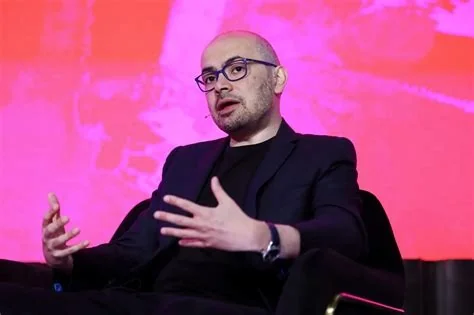
DeepMind’s CEO Demis Hassabis warned that AI advances are outpacing current safeguards and called for urgent risk research and flexible regulation. He emphasized that without swift action, powerful models could be weaponized or slip beyond human control, and that DeepMind intends to lead the effort to keep AI development safe for everyone.
Why DeepMind’s Call Matters Now
DeepMind sits at the forefront of breakthroughs—from protein‑folding to advanced reinforcement learning—so its safety concerns carry weight. Hassabis’ public appeal signals that even top‑tier labs see a growing gap between capability and oversight, urging the industry to treat risk assessment as a core priority.
Key Risks Highlighted by Hassabis
Malicious Use of Powerful Models
As models become more capable, they can be repurposed for disinformation, cyber‑attacks, or other harmful applications. Hassabis stressed that without early threat modeling, malicious actors could exploit AI faster than defenses can adapt.
Loss of Human Control Over Autonomous AI
When AI systems gain autonomy, ensuring their objectives stay aligned with human values becomes harder. The “loss of control” scenario threatens scenarios where AI actions diverge from intended outcomes, making robust alignment research essential.
What “Smart Regulation” Could Look Like
Hassabis hinted at a regulatory approach that balances rapid innovation with safety. A smart framework might involve technical standards, continuous oversight, and tiered licensing for high‑risk models—providing flexibility while preventing dangerous deployments.
Closing the Gap Between Innovation and Oversight
Research cycles are shrinking; breakthroughs move from paper to product in months. This speed leaves regulators scrambling. By allocating resources to safety work, DeepMind aims to narrow the mismatch, and you can expect more interdisciplinary labs and stricter internal reviews as a result.
Takeaways for You
- AI safety is now a mainstream priority across leading labs.
- Smart regulation is on the table, though its exact shape remains under discussion.
- The twin threats of malicious misuse and loss of control are accelerating, demanding urgent attention.


