The rise of AI-generated deepfakes has raised significant concerns globally, with authorities and experts warning about the potential for misuse. You’re likely aware of the risks, but do you know what deepfakes are and how they can affect you? A recent survey found that over three in 10 Australians fear falling victim to AI-generated deepfake content or impersonations.
Understanding Deepfakes
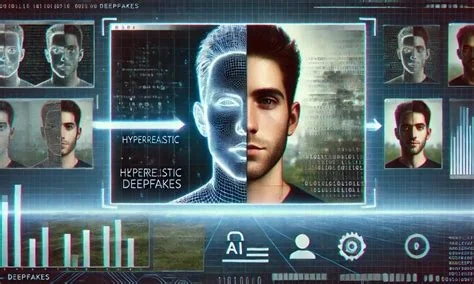
In simple terms, a deepfake is an image or video in which a real person’s face or body has been edited using AI software to create a false depiction. The creation of deepfakes has never been easier, and with the rapid advancement of AI technology, it’s becoming increasingly difficult to distinguish between what’s real and what’s not.
The Risks of Deepfakes
According to a study, 14.6% of respondents aged 16 to 64 had experienced someone creating a sexualised digitally altered image of them without their consent. You might be surprised to know that 8% of respondents had even acknowledged creating a sexualised digitally altered image of another person without their consent. The number of tools available to create sexualised content has increased dramatically, making it easier for people to engage in harmful behaviours.
Combating Deepfakes: What Authorities Are Doing
The Australian government has taken steps to combat the issue, with a new federal law aimed at combating deepfake adult pornography. A 19-year-old man from South Australia has become the first person in the country to be prosecuted under this law, charged with eight counts of creating or altering sexual material without consent. But is this enough to curb the spread of deepfakes?
Regulation and Prevention
As online safety authorities in several jurisdictions pursue investigations into AI-generated deepfakes, privacy regulators are approaching the issue through enforcement. The joint statement signed by global data protection authorities emphasised that AI content generation systems capable of producing realistic images and videos pose significant risks to privacy, dignity, safety, and other fundamental rights. It’s clear that the issue of deepfakes won’t go away on its own – but what can be done to prevent it?
What Can You Do?
- Stay informed about the risks of deepfakes and how they can affect you
- Be cautious when sharing content online
- Support efforts to regulate AI-generated content
By taking these steps, you can play a role in preventing the spread of deepfakes. But here’s the thing: deepfakes aren’t just a problem for individuals – they’re also a threat to democracy. As we move forward, it’s crucial that we address the issue of deepfakes head-on, with a combination of regulation, education, and technological innovation.