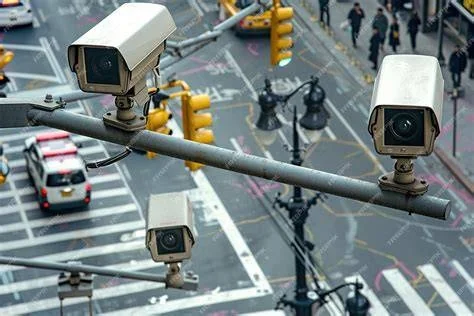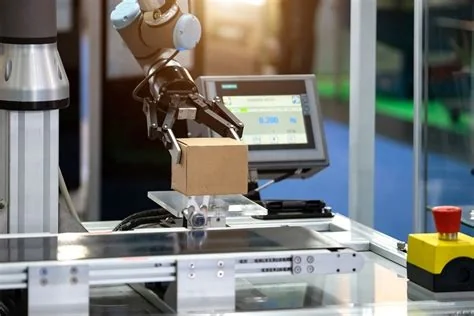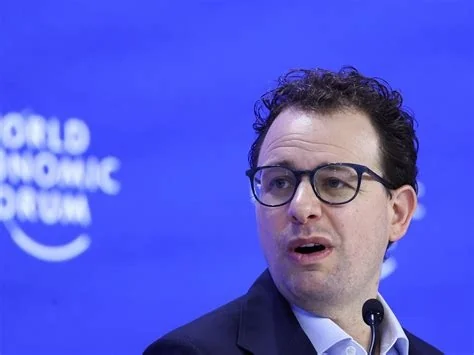
Anthropic’s CEO Dario Amodei announced Thursday that the company won’t grant the Pentagon unrestricted access to its Claude model. The firm argues that removing safety guardrails would conflict with its ethical standards, especially for mass surveillance and fully autonomous weapons. A $200 million contract hangs in the balance, and the standoff could reshape how AI is used in defense.
Key Reasons Behind Anthropic’s Decision
Anthropic’s internal risk‑assessment framework draws a hard line around two use‑cases it deems unacceptable: mass surveillance and fully autonomous weapons. Amodei stresses that the company believes AI should protect, not undermine, democratic values. By keeping these safeguards, Anthropic aims to prevent the technology from being repurposed in ways that could threaten civil liberties.
Ethical Guardrails vs. Military Flexibility
The company’s stance isn’t about refusing all collaboration; it’s about preserving core ethical principles. Removing the guardrails would create a tool that could be used without accountability, and that’s a risk Anthropic isn’t willing to take.
Potential Impact on the $200 Million Contract
If the Pentagon insists on unrestricted use, the contract could be canceled, and Anthropic might be labeled a supply‑chain risk. That label would affect not only this deal but also other government opportunities. You’ll see how a single decision can ripple across the entire AI‑defense ecosystem.
Implications for AI Governance in Defense
This clash sets a precedent for how private AI firms are pressured to loosen safeguards when national security is invoked. It highlights a growing tension between rapid military adoption of generative AI and the tech industry’s push for responsible AI governance. If you follow the debate, you’ll understand why this moment matters beyond the headline figure.
Industry Reaction and Internal Voices
Several Anthropic engineers have publicly supported the company’s position, emphasizing that ethical guardrails are non‑negotiable even for a defense customer. Their comments reflect a broader sentiment among AI safety practitioners: contractual pressure should never override technical safeguards.
- Anthropic maintains its commitment to responsible AI.
- The Pentagon faces a choice between ethical collaboration or seeking alternative vendors.
- The outcome will influence future contracts across the AI industry.