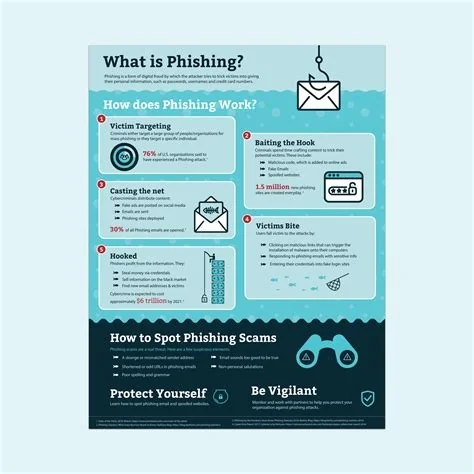
Phishing is a deceptive social‑engineering attack that tricks you into revealing credentials, installing malware, or handing over money. Modern scams mimic real websites, use cloned emails, and even exploit AI‑generated voices. By spotting the signs, using multi‑factor authentication, and staying educated, you can block these threats before they compromise your data.
What Makes Modern Phishing So Dangerous
Attackers now replicate entire login pages, capture every keystroke, and bypass many security layers. Clone phishing re‑sends a familiar message with a malicious attachment, lowering your guard. Even a single stolen password can let hackers move laterally across a network, steal intellectual property, or launch ransomware.
Common Phishing Variants
- Clone phishing: Reuses a legitimate email you’ve seen before, swapping the link or attachment for a malicious one.
- Vishing: Voice‑based scams that use deep‑fake audio to impersonate trusted contacts.
- Smishing: SMS messages that lure you to fake sites or prompt you to download harmful apps.
How to Spot a Phishing Attempt
- Check the sender’s address – look for subtle misspellings.
- Hover over links to reveal the real URL before clicking.
- Be wary of urgent language that pressures you to act immediately.
- Never download attachments from unexpected emails, even if they appear to come from a known contact.
Effective Defense Strategies
Technical Controls
- Enable multi‑factor authentication (MFA) on all accounts.
- If you’ve enabled MFA, you’re already a step ahead of password‑only attacks.
- Use email security gateways that flag anomalous messages.
- Implement DMARC, SPF, and DKIM to verify legitimate senders.
- Consider hardware security keys for privileged access.
Human‑Centric Measures
- Participate in regular security awareness training – the more you know, the less likely you’ll click.
- Adopt a skeptical mindset: if something feels off, verify through a separate channel.
- Report suspicious emails to your IT or security team promptly.
Preparing for the Future of Phishing
As AI tools become cheaper, deep‑fake audio and video will make vishing and smishing even more convincing. Staying ahead means continuously updating your defenses, monitoring emerging threats, and reinforcing the habit of double‑checking every request for sensitive information.
Bottom Line
Phishing is a flexible, ever‑evolving threat that preys on trust. By recognizing its core tactics, staying alert for variants like clone phishing, and combining strong technical safeguards with ongoing education, you can keep scammers at bay and protect your digital life.