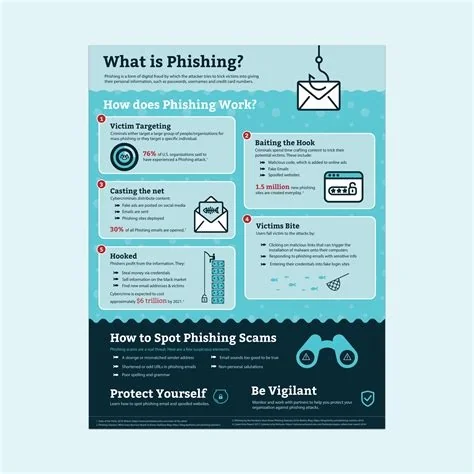
Phishing is a social‑engineering trick where fraudsters disguise malicious messages as legitimate requests to steal your credentials, credit‑card numbers, or personal data. It can appear in email, SMS, phone calls, or QR‑codes, and the best defense combines vigilance, multi‑factor authentication, and regular software updates.
How Phishing Works Today
Attackers craft messages that look like they come from banks, cloud services, or popular brands. They rely on urgency, generic greetings, and deceptive links to lure you into entering login details or downloading malware.
Common Delivery Channels
- Email: Fake password‑reset notices or invoice attachments.
- SMS (Smishing): Texts claiming a package can’t be delivered unless you verify an address.
- Phone calls (Vishing): Callers pretending to be support agents asking for account numbers.
- QR‑codes: Posters with codes that redirect to spoofed login pages.
Why Phishing Is on the Rise
Remote work has expanded the attack surface, pushing more people to rely on cloud email and personal devices for business. Automation tools now let criminals generate convincing copy, clone websites, and test stolen credentials in real time.
Potential Impact of a Successful Attack
A compromised bank login can drain your savings within minutes, while a single stolen corporate credential can open a backdoor to an entire network, leading to costly data breaches and regulatory fines.
Immediate Steps You Can Take
Follow these three actions right now to reduce your risk:
- 1. Question every unsolicited request. Look for mismatched URLs, generic greetings, urgent language, and unexpected attachments. Hover over links to see the real destination before you click.
- 2. Enable multi‑factor authentication (MFA). Even if a password is stolen, a second factor blocks the attacker.
- 3. Keep software patched. Phishing kits often exploit known browser or email‑client vulnerabilities.
Best Practices for Ongoing Protection
Adopt a routine verification process whenever you receive a suspicious message:
- Pause and assess the tone of the message.
- Verify the request through an independent channel—call the organization using a number you already trust.
- Report the incident to your IT or security team.
Regular phishing simulations keep your awareness sharp and help you measure resilience over time.
Human Judgment Remains Critical
Technology can’t replace your own judgment. Ask yourself: would you really get a “password expiring” notice at 2 a.m.? If the answer is no, you’ve likely spotted a phishing attempt.
Bottom Line
Phishing continues to evolve, but the core tactics—deception, urgency, and a lure for your data—stay the same. By staying vigilant, using MFA, and fostering a culture of verification, you’ll keep scammers’ hooks empty and protect your information.