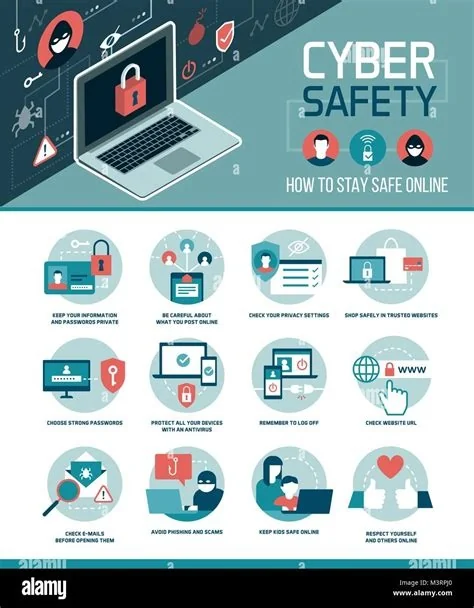
Cybersecurity is no longer optional—whether you stream movies, run a startup, or manage a global supply chain, you need solid defenses today. By enabling two‑factor authentication, using a password manager, keeping software patched, backing up data, and staying vigilant against phishing, you can cut your breach risk by up to 40 % and protect your digital life.
Why Strong Cybersecurity Matters Now
Phishing accounts for more than a third of data breaches, while ransomware incidents keep climbing despite better tools. Remote work, AI‑generated deep‑fakes, and the explosion of Internet‑of‑Things devices have widened the attack surface dramatically. If you ignore these trends, the cost of a single breach can skyrocket, threatening both personal privacy and business continuity.
Core Practices for Every User
Enable Two‑Factor Authentication Everywhere
Adding a second verification step—whether via an authenticator app or a hardware token—blocks most automated credential‑stuffing attacks. You’ll need it for email, banking, social media, and any service that holds sensitive data.
Use a Password Manager
A reputable password manager generates unique, strong passwords for each account and stores them securely. This eliminates the temptation to reuse passwords, which remains the single biggest factor in breach propagation.
Keep Software Updated Quickly
Apply operating system and application patches within 48 hours of release. Most exploits target known vulnerabilities that vendors have already fixed, so timely updates are a cheap yet powerful defense.
Back Up Data Regularly
Maintain at least two backup copies—one offline and one in a zero‑knowledge cloud service. Regular backups let you recover quickly from ransomware without paying a ransom.
Avoid Unsecured Public Wi‑Fi
When you must use public Wi‑Fi, connect through a trusted VPN. This encrypts your traffic and prevents attackers on the same network from intercepting credentials.
Verify Senders Before Clicking
Always hover over links to see the true URL and double‑check the sender’s address. Even a small mistake can land you in a sophisticated phishing trap.
Advanced Measures for Businesses
Adopt Multi‑Factor Authentication and Single Sign‑On
Enterprise‑grade MFA combined with SSO simplifies secure access while reducing password fatigue across the organization.
Deploy Endpoint Detection and Response (EDR)
EDR tools monitor endpoints for suspicious behavior, isolate compromised devices, and provide automated rollback capabilities that can stop ransomware in its tracks.
Segment Networks to Contain Breaches
Separate critical assets from the broader corporate LAN. If an attacker breaches one segment, the segmentation buys you valuable time to respond before the whole network is compromised.
Implement Formal Incident‑Response Plans
Document clear steps for detection, containment, eradication, and recovery. Conduct tabletop exercises at least quarterly so your team knows exactly what to do when an incident occurs.
Run Continuous Security Awareness Training
Short, bite‑sized modules delivered monthly keep security top of mind. Simulated phishing campaigns help employees recognize real attacks and reinforce the “think before you click” habit.
Financial Impact of Ignoring Security
The average ransomware incident now exceeds $1.5 million in direct costs, not counting reputational damage. Investing in affordable EDR solutions—often $8‑$12 per endpoint per month—can slash those expenses dramatically by preventing successful encryptions.
Quick Action Checklist
- Enable two‑factor authentication on all accounts.
- Install a password manager and import existing passwords.
- Set automatic updates for OS and applications.
- Create encrypted offline and cloud backups.
- Use a VPN whenever you connect to public Wi‑Fi.
- Verify email senders and URLs before clicking.
- For businesses, deploy EDR and segment critical networks.
- Establish an incident‑response plan and run quarterly drills.
- Launch a monthly security awareness program for staff.
Bottom Line
Whether you’re a college student juggling multiple streaming services or a CISO overseeing a global supply chain, the path to stronger security is clear: lock down credentials, keep software fresh, back up data, segment networks, and train people relentlessly. The tools are more affordable than ever, and the cost of inaction keeps climbing. So, what will you do today? Enable 2FA, schedule a backup, or start a short phishing awareness module for your team.