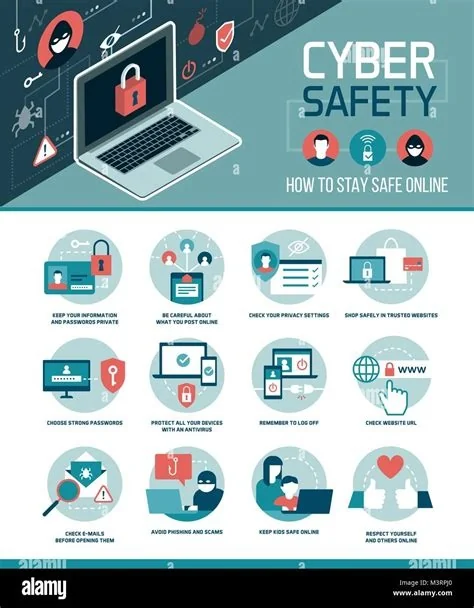
Implementing solid cybersecurity habits is the fastest way to protect your personal data and business assets from phishing, ransomware, and identity theft. By using unique passwords, enabling two‑factor authentication, keeping software updated, backing up data, and staying aware of threats, you can dramatically shrink your attack surface and avoid costly breaches.
The Ten Essential Cybersecurity Habits
- Use a password manager and unique passwords – Never reuse credentials across sites; a manager creates 12‑plus‑character passwords and stores them securely.
- Enable two‑factor authentication everywhere – Prefer authenticator apps over SMS; they’re less vulnerable to SIM‑swap attacks.
- Keep software up to date – Turn on automatic updates for operating systems, browsers, and critical applications; delays can leave you exposed.
- Back up data regularly – Follow the 3‑2‑1 rule: three copies, two different media, one off‑site. Immutable backups stop ransomware from encrypting your files.
- Secure your home network – Change default router passwords, use WPA3 encryption, and place IoT devices on a separate guest VLAN.
- Beware of phishing – Verify sender addresses, hover over links, and use email security tools that flag suspicious content.
- Encrypt sensitive data – Enable full‑disk encryption on laptops and use end‑to‑end encryption for messaging apps like Signal or WhatsApp.
- Limit admin privileges – Perform daily tasks with a standard user account; reserve admin rights for installations and configuration changes.
- Use reputable security software – Modern endpoint detection and response (EDR) solutions incorporate AI to spot anomalous behavior in real time.
- Educate yourself and your team – Conduct quarterly security awareness training, run simulated phishing campaigns, and keep an incident‑response playbook ready.
Why These Habits Matter Now
Cyber‑crime is on the rise, with ransomware attacks targeting small‑to‑mid‑size businesses and phishing attempts increasing sharply. A single weak password or an unpatched vulnerability can let attackers breach an entire network. By hardening the most common entry points—credentials, software, and human error—you dramatically reduce the chances of a successful attack.
Implications for Businesses
Companies that embed these habits into policy see measurable improvements. Organizations that run regular phishing simulations often cut click‑through rates by nearly half within months. Enforcing two‑factor authentication across all cloud services can eliminate credential‑stuffing attacks entirely. Together, these practices turn security from a reactive scramble into a proactive shield.
Practitioners’ Perspective
Security experts agree that the fundamentals haven’t changed; they’ve simply become more critical. Professionals who treat password hygiene, timely updates, and continuous employee training as non‑negotiable experience far fewer breach incidents. The cost of a breach—both financial and reputational—still far outweighs the modest investment in tools like password managers or backup solutions.
How to Get Started
- Enable automatic updates on every device you use.
- Deploy a reputable password manager across your team and generate unique passwords for all accounts.
- Activate two‑factor authentication on every service that supports it.
- Implement the 3‑2‑1 backup strategy and test restores quarterly.
- Schedule a short, interactive security awareness session for all employees this month.
Start with these steps, measure progress, and watch your security posture strengthen day by day.