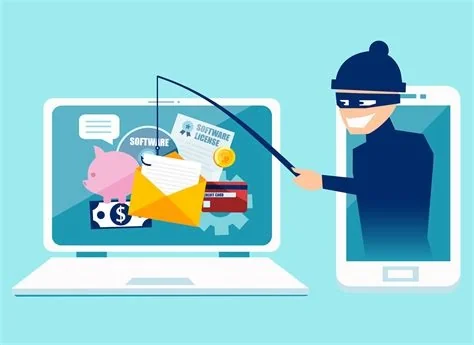
Phishing remains the top cause of corporate data breaches, and attackers are now using advanced evasion techniques such as HTML‑table generated QR codes to bypass modern email filters. These tactics target high‑value sectors like food production and logistics, making credential theft and data exfiltration easier than ever. Immediate detection and layered defenses are essential to stop the surge.
How Phishing Drives Data Loss
Phishing attacks typically start with a deceptive email that directs recipients to a counterfeit login page. Once credentials are captured, attackers gain unrestricted access to internal systems, allowing them to steal privileged passwords, financial records, and personally identifiable information (PII). The simplicity of the approach makes it the most common vector for large‑scale data leaks.
Emerging Technical Tricks
The “Tycoon” Kit and HTML‑Table QR Codes
A newly observed phishing kit constructs QR codes from thousands of tiny HTML table cells instead of embedding a static image. When the email renders, the cells form a functional QR code that can be scanned by a smartphone. Because the code is generated on‑the‑fly, traditional image‑analysis filters often miss it, allowing malicious payloads to slip through undetected.
Sector‑Specific Campaigns
Recent threat‑hunting operations have uncovered phishing campaigns that focus on food‑production and logistics companies. Emails mimic routine communications such as shipment confirmations or supplier invoices, using urgent language and mismatched sender domains to lure victims. Hidden URLs redirect users to credential‑stealing portals, and many of these campaigns incorporate the HTML‑table QR technique.
Practical Immediate Response Steps
- Isolate the account – Disable compromised credentials and enforce a password reset.
- Preserve evidence – Capture the original email, headers, and any linked URLs for forensic review.
- Alert IT and security teams – Use established incident‑response channels to coordinate containment.
- Notify affected parties – If personal data may have been exposed, follow applicable breach‑notification regulations.
- Educate staff – Provide refresher training that highlights the latest phishing indicators, such as HTML‑table QR codes and sector‑specific lure content.
Implications for the Broader Tech Ecosystem
The blend of classic social engineering with sophisticated evasion methods means phishing will stay a high‑impact threat. Organizations relying solely on signature‑based email filters risk exposure, as attackers exploit rendering quirks in modern mail clients. Deploying behavioral analytics, machine‑learning detection of anomalous HTML structures, and strict reporting standards can reduce risk, but the human element remains the weakest link.
Conclusion
By combining advanced detection tools, clear incident‑response protocols, and continuous employee education, enterprises can mitigate the growing phishing threat and protect sensitive data from emerging tactics.