
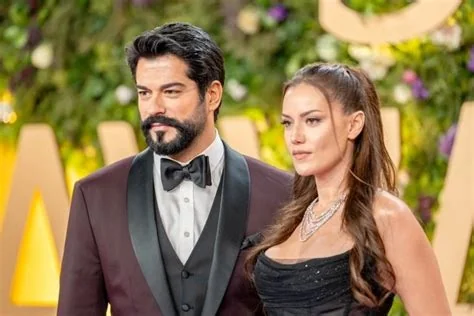
A digitally created image showing Turkish actors Burak Özçivit and Fahriye Evcen inside a mosque has gone viral, prompting fact‑checkers to label it a deep‑fake. The picture, which appears authentic at first glance, is being used to spread false narratives about the couple’s religious activities, raising concerns about AI‑driven misinformation.
Fact‑Checking the Mosque Image
Identifying AI Manipulation
Experts quickly spotted several tell‑tale signs that the photo is synthetically generated:
- Inconsistent lighting on the subjects’ faces
- Mismatched shadows on the prayer carpet
- Pixel‑level artifacts around the mosque arches
- Unnatural edge blending around the figures
These anomalies led fact‑checking groups to label the image as a deep‑fake and advise the public not to share it as evidence of any real event.
Why Deepfakes Matter
Risks of Synthetic Media
Deep‑fake technology can create realistic but fabricated visual content, posing serious threats:
- Potential for sexual exploitation and non‑consensual image generation
- Financial gain through the sale of illicit synthetic media
- Political manipulation and false endorsement claims
- Rapid diffusion that outpaces platform moderation and legal response
Regulatory Landscape
Current Measures in Turkey and Asia
While Turkey has not yet enacted specific legislation targeting synthetic media, its communications authority has warned that false visual content may violate existing defamation and privacy laws. In several Asian countries, authorities have taken decisive steps to curb AI‑generated deep‑fakes, including bans on certain AI image‑creation tools.
Impact on Public Discourse
Potential Social Tension
When AI‑generated images intersect with religious settings, they can:
- Be misinterpreted as political endorsement or criticism
- Trigger cultural or religious backlash
- Damage the reputations of public figures
- Amplify misinformation in already polarized environments
Recommendations for Stakeholders
- Platform vigilance – Enhance detection algorithms for AI‑generated imagery and clearly label suspect content.
- Public literacy – Implement digital‑literacy programs that teach users how to spot deep‑fake artifacts.
- Legal clarity – Update privacy and defamation statutes to explicitly address synthetic media and provide recourse for victims.
Future Outlook
The mosque image of Burak Özçivit and Fahriye Evcen illustrates how deep‑fake technology is moving from obscure corners of the internet into mainstream cultural contexts. As AI tools become more accessible, the line between authentic and fabricated visual content will continue to blur. Ongoing collaboration among tech firms, regulators, and the public is essential to develop robust detection methods, enforce accountability, and educate users, thereby limiting the spread of misinformation.


