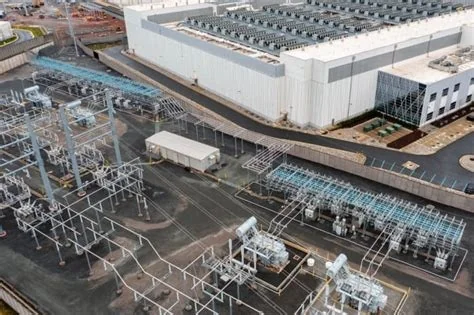
In a surprise move, President Donald Trump brought together top tech executives at the White House to sign a “ratepayer protection pledge”, which aims to make big tech companies pay for the power plants and grid upgrades needed to run their data centers. You might be wondering what this means for you and your electricity bills. The pledge requires tech companies to build, bring, or buy new power generation capacity for data centers, and negotiate rate structures with utility companies at the state level.
What Does This Mean for Americans?
The expansion of data centers has strained the electric grid, and utility bills are a top cost-of-living issue for voters. Residential prices rose 6% on average, and the price of natural gas, a crucial component for nearly half of electricity generation in the US, has jumped over the past year. This is a significant concern for you, the average American, as you’re likely feeling the pinch of rising electricity costs.
How Will This Pledge Affect Electricity Prices?
Trump claimed that the commitments “will help keep down utility bills very substantially”, but it’s unclear how Big Tech will be held to the pledge. Analysts question how such an agreement can be enforced, and what relief it would offer US households. The burden of proof is on them, to prove this is more than just a stunt. You’re probably wondering if this pledge will really make a difference in your electricity bills.
The Future of AI Development
As the AI sector continues to boom, it’s clear that data centers will play a crucial role. But at what cost? The pledge may be a step in the right direction, but it’s only a small part of a much larger solution. Can big tech companies really be held accountable for their power usage? You might be thinking about the implications of this pledge on the future of AI development and how it will affect your life.
Implications and Enforcement
From a practitioner’s perspective, this pledge highlights the growing awareness of the environmental impact of data centers and the need for sustainable solutions. However, it’s essential to consider the long-term implications of this pledge and how it will be enforced. As the AI sector continues to evolve, it’s crucial that we prioritize sustainability and environmental responsibility. You should expect transparency, accountability, and sustainability in the AI industry.
Moving Forward
- The fact that companies including Google, Microsoft and OpenAI committed to pay for the power plants and grid upgrades needed to run their data centers, shows they are taking responsibility for their actions.
- Now, it’s up to the government and regulators to ensure that these companies follow through on their commitments.
- The US Energy Secretary stated that the administration is still committed to leading in the AI boom, but “we’re going to do all of that without raising electricity prices for Americans”.
The tech pledge may be difficult to enforce, but it’s a step in the right direction. You can expect that the government and regulators will work to ensure that big tech companies prioritize sustainability and environmental responsibility.