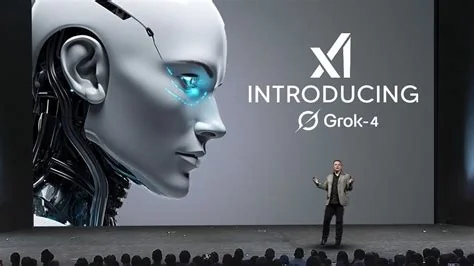
Grok 4.20 arrives as a beta that blends four cooperating AI agents with a massive 256 K token context window and native support for text, images, and video. The model debates internally before answering, aiming to cut hallucinations while handling huge inputs like full codebases or lengthy contracts. You can test it now if you’re a SuperGrok subscriber or X Premium+ member.
Four‑Agent Architecture Explained
How Agents Debate to Improve Answers
The system spins up four specialized agents—named Grok, Harper, Benjamin, and Luca—each processing the same request in parallel. One agent acts as the leader, gathering insights and steering a consensus before delivering the final response. This internal debate often surfaces alternative viewpoints, which can help you spot blind spots in high‑stakes queries.
256K Context Window and Multimodal Support
Why Context Size Matters for Developers
With a 256 K token window (expandable to two million tokens in extended mode), Grok 4.20 lets you feed entire code repositories, legal documents, or multi‑minute video transcripts without chopping them up. The multimodal engine also accepts images and video frames, so you can drop a circuit diagram alongside a design brief and receive a unified explanation.
Performance, Latency, and Pricing
Beta Benchmarks and Real‑World Trade‑offs
Early tests show the four‑agent setup boosts answer consistency, though it adds a couple of seconds to latency compared with single‑agent runs. Single‑agent inference hovers around 36–41 tokens per second, while the leader‑driven debate can stretch first‑token latency to 13–14 seconds. Access costs $30 per month for SuperGrok, with broader API access promised soon.
Implications for Developers and Enterprises
Use Cases You Can Start Building Today
Imagine a fintech app that scans an entire quarterly report in one pass, or a medical tool that cross‑checks imaging data with patient notes before suggesting a diagnosis. The four‑agent debate reduces hallucinations, making Grok 4.20 a solid candidate for any workflow where accuracy outweighs raw speed. Give it a try and see how the extra context reshapes your pipelines.