
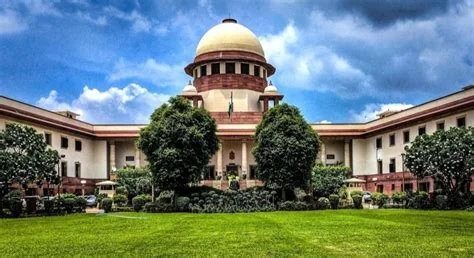
India’s top court just warned that lawyers relying on generative‑AI to draft petitions are flooding courts with invented case law. The bench says AI‑generated “hallucinations” can masquerade as real precedents, jeopardizing the integrity of judgments. If you’re drafting a plea, you must double‑check every citation before filing. Failure to verify could lead to rejected filings and damage professional credibility.
Why AI Is Tempting for Lawyers
Legal research consumes countless hours, and AI promises to scan thousands of judgments in seconds. Speed and cost savings make the technology alluring for firms that bill by the hour. Yet the underlying models predict plausible text without guaranteeing factual accuracy, so a single prompt can produce a citation that looks legitimate but doesn’t exist.
What the Court Demands from Practitioners
The Supreme Court isn’t calling for a blanket ban; it’s demanding rigorous verification. Every AI‑generated reference must be cross‑checked against official sources before submission. The judges emphasized that the ultimate responsibility remains with the advocate, and they expect lawyers to treat AI output as a draft, not a finished product.
Implications for India’s Legal System
Fabricated precedents threaten public confidence and can derail cases, wasting valuable court time. Ethical standards under the Bar Council of India require honesty and diligence, meaning false AI‑generated citations could be deemed professional misconduct. Courts may see an uptick in challenges to filings that contain unverifiable references.
Potential for Specialized Legal AI Tools
- Built‑in verification layers that cross‑reference official databases.
- Audit trails that log every AI suggestion for later review.
- Reduced hallucination rates through domain‑specific training.
Practitioner Insights
Senior advocate Ravi Sharma says, “The bench’s intervention is a wake‑up call. Many of us use AI for initial drafts, but we must treat the output as a rough sketch, not a finished product.” He adds that firms now run every AI‑suggested citation through the Supreme Court website or the Indian Kanoon database before filing.
Future Outlook for AI in Law
The temptation to adopt efficiency‑boosting tools remains strong, especially given the judiciary’s massive backlog. However, the court’s stance reinforces a timeless principle: technology should augment, not replace, human judgment. If you adopt the extra verification step, you’ll help shape a legal ecosystem where AI enhances accuracy without compromising integrity.


