
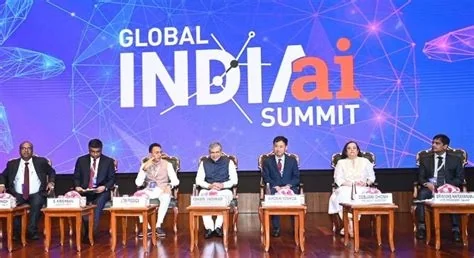
India has unveiled a bold five‑layer AI strategy at its first global AI summit, promising to boost infrastructure, talent, data, regulation and ethical use across the nation. The plan aims to turn the country into an AI hub, attract investment, and shape international standards—all while you watch the roadmap unfold in real time.
What the Five‑Layer Strategy Covers
The government’s framework stacks five interlocking pillars that together create a foundation for sustainable AI growth.
- Infrastructure: expanding high‑speed connectivity, including 5G and fiber networks, to reach even remote regions.
- Talent: scaling AI‑ready expertise through education reforms, reskilling programs, and university partnerships.
- Data: building a national data ecosystem that consolidates public and private datasets while respecting privacy.
- Regulation: launching a sandbox environment that lets innovators test AI solutions under clear, risk‑based rules.
- Ethics: embedding responsible AI principles across sectors to ensure fairness, transparency and accountability.
Why India Is Pushing the Plan Now
The Indian AI market is projected to hit billions of dollars within the next few years, and a youthful, English‑speaking workforce positions the country to become a global talent hub. By acting now, policymakers hope to capture early‑stage investment, accelerate homegrown innovation, and steer the conversation on AI governance.
Key Partnerships and Industry Impact
During the summit, a major partnership was announced between a leading AI research firm and Infosys, aiming to weave large‑language‑model capabilities into enterprise solutions. This collaboration signals confidence in India’s ability to deliver cutting‑edge AI services at scale and could spark similar deals across the tech ecosystem.
What It Means for Startups
For emerging companies, the summit’s exposure opens doors to venture capital, mentorship, and cross‑border collaborations. You’ll likely see more funding pipelines targeting AI innovators in Delhi, Bengaluru and Hyderabad as investors chase the next breakthrough.
Operational Hurdles at the Summit
Despite the high‑profile agenda, attendees reported long queues, unclear signage and sudden venue clearances that disrupted some booths. These logistical glitches underscore the challenge of scaling an event designed for hundreds of thousands of visitors while maintaining a seamless experience.
Implications for Global AI Governance
By hosting leaders from both the Global North and South, India positions itself as a bridge between differing regulatory philosophies. The five‑layer framework could serve as a template for other emerging economies seeking to balance rapid AI adoption with robust oversight.
Practitioner Insight
Dr. Radhika Menon, chief data officer at a health‑tech startup, praised the strategy’s ambition but warned that execution will depend on tight inter‑agency coordination. She highlighted a pilot AI diagnostic tool that could benefit from a trusted national data commons, emphasizing that clear data safeguards are essential for scaling life‑saving solutions.
Looking Ahead
The summit will close with a declaration outlining next steps for the five‑layer plan and proposing a schedule for international AI governance talks. Whether the roadmap translates into concrete policy remains to be seen, but the momentum is undeniable. You’ll be watching as India strives to turn this blueprint into reality.


