Once the secret weapon of NASA astronauts and elite athletes, Red Light Therapy (RLT)—scientifically known as Photobiomodulation (PBM)—has officially moved from the space station to the mainstream. But this isn’t just another wellness trend; it is backed by decades of clinical research demonstrating its ability to literally “recharge” human cells.
The Cellular “Battery Charger”
At the heart of RLT is the mitochondria, often called the “powerhouse” of the cell. Research shows that specific wavelengths of light are absorbed by a mitochondrial enzyme called cytochrome c oxidase.
When this happens, it triggers a biological domino effect:
- ATP Production: Cells produce more Adenosine Triphosphate (ATP), the primary energy currency of the body.
- Reduced Oxidative Stress: It helps neutralize free radicals that cause aging and cellular damage.
- Nitric Oxide Release: This improves blood flow, ensuring nutrients reach damaged tissues faster.
The Magic Numbers: Proven Wavelengths
Not all red light is created equal. Science focuses on the “Therapeutic Window,” a specific range of wavelengths that can penetrate human tissue without causing damage.
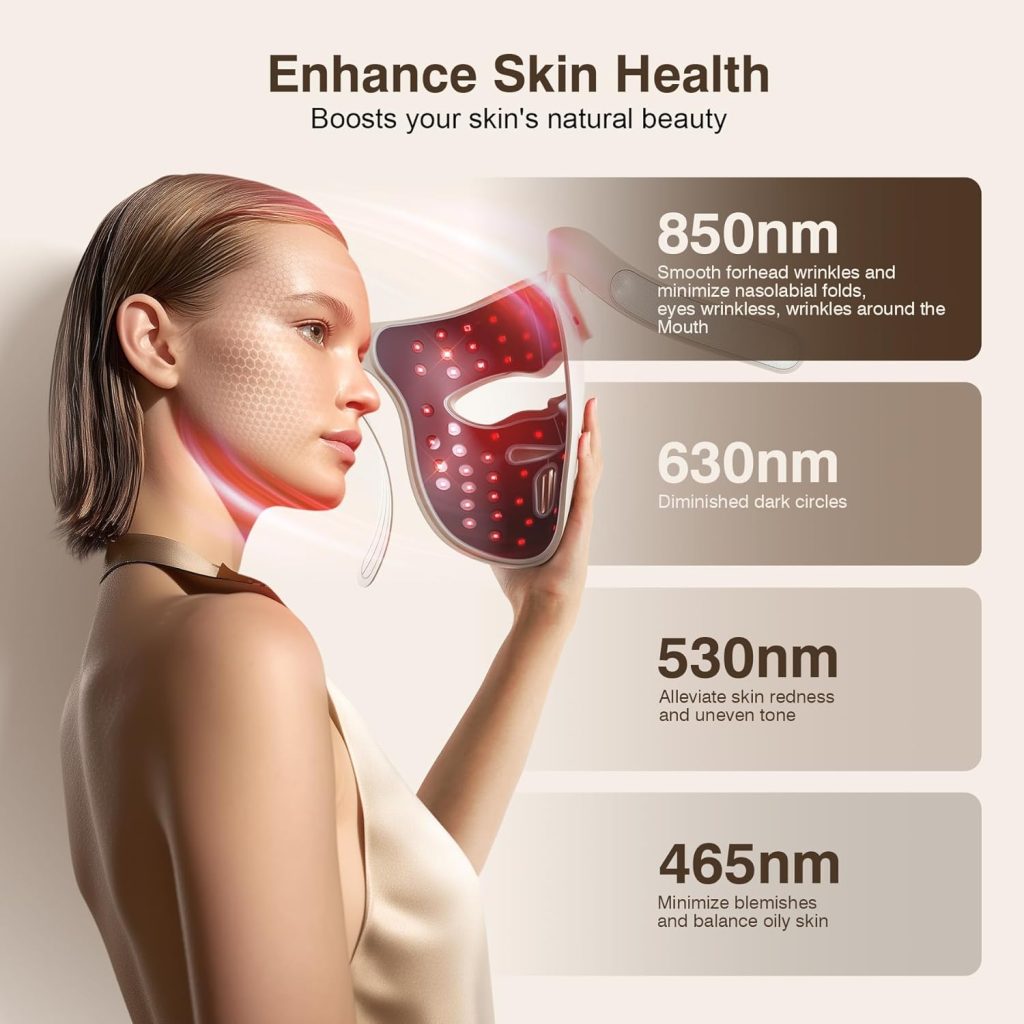
The 630nm – 660nm Range (The “Skin Specialist”)
These shorter wavelengths are primarily absorbed by the skin’s superficial layers.
- Benefits: Stimulates fibroblasts to produce collagen and elastin, reduces fine lines, and speeds up the healing of acne scars and surface wounds.
- Best For: Anti-aging, complexion evening, and “the glow.”
The 810nm – 850nm Range (The “Deep Healer”)
Falling into the Near-Infrared (NIR) spectrum, these wavelengths are invisible to the naked eye but penetrate much deeper—reaching muscles, nerves, and even bone.
- Benefits: Reduces deep-seated inflammation, accelerates muscle recovery after exercise, and alleviates joint pain from conditions like osteoarthritis.
- Best For: Athletes, chronic pain management, and systemic inflammation.
Top 3 Science-Backed Benefits
1. Rapid Muscle Recovery & Performance
Clinical trials in sports medicine have found that applying RLT (specifically 830nm–850nm) before or after a workout can significantly reduce Delayed Onset Muscle Soreness (DOMS). By lowering markers of muscle damage like creatine kinase, athletes can bounce back faster and train harder.
2. Skin Rejuvenation & Anti-Aging
In a famous study published in Photomedicine and Laser Surgery, participants treated with red light saw a significant increase in collagen density and skin smoothness. Unlike chemical peels or lasers, RLT is “non-thermal,” meaning it rejuvenates the skin without the redness or “downtime” of heat-based treatments.
3. Chronic Pain & Inflammation Relief
Because NIR light can reach the joints, it has become a gold standard for non-invasive pain relief. It works by modulating inflammatory cytokines, essentially “turning down the volume” on the body’s pain signals.
The Verdict
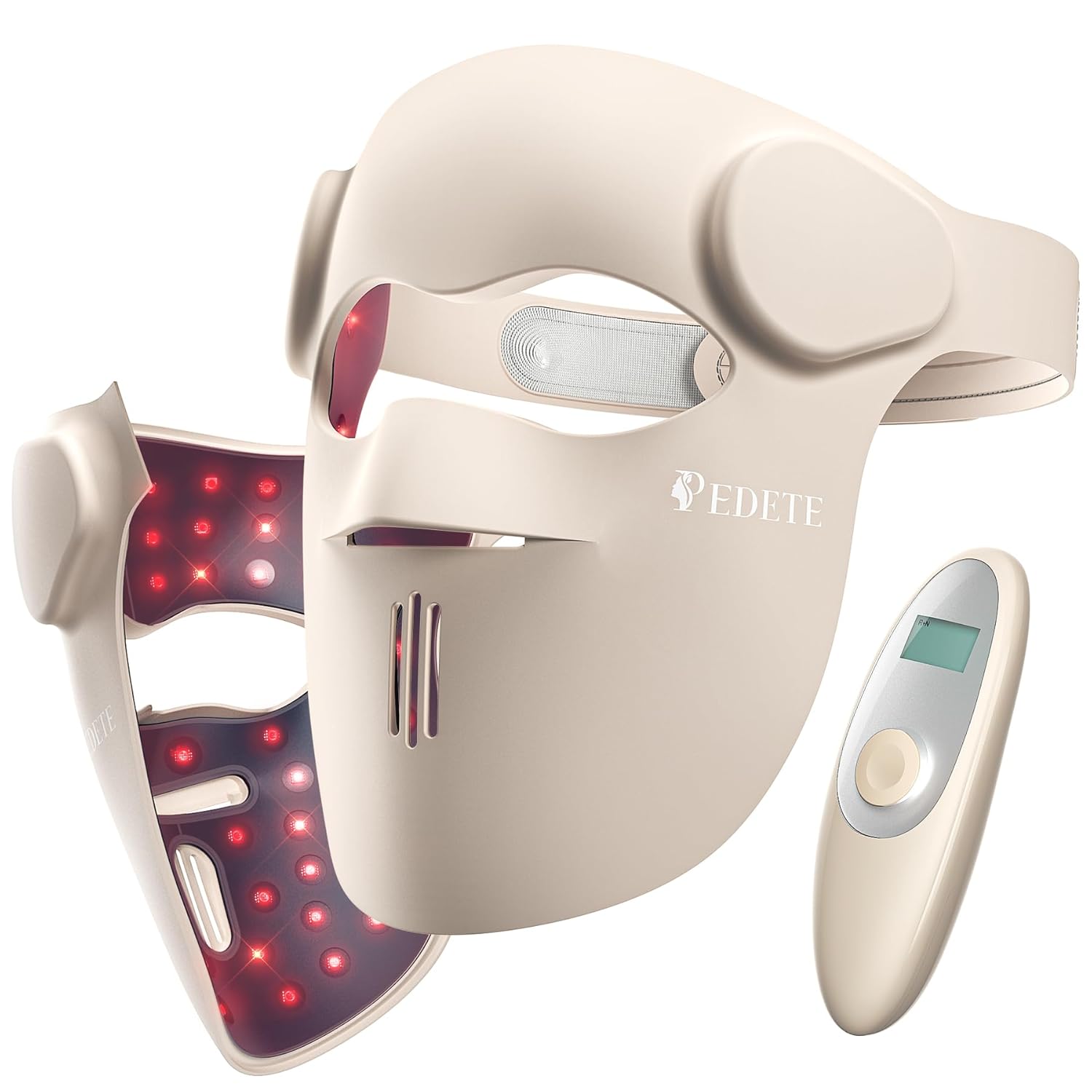
Red Light Therapy is one of the few wellness technologies where the clinical evidence actually matches the hype. Whether you’re looking to erase a decade of sun damage or recover from a marathon, the key is consistency and using a device that hits those “sweet spot” wavelengths of 660nm and 850nm.
Pro Tip: When choosing a device, look for “irradiance” levels. To reach deeper tissues for muscle recovery, you generally need a higher power density (at least 50–100 mW/cm²) than you do for surface-level skin treatments.
You get one on Amazon.