
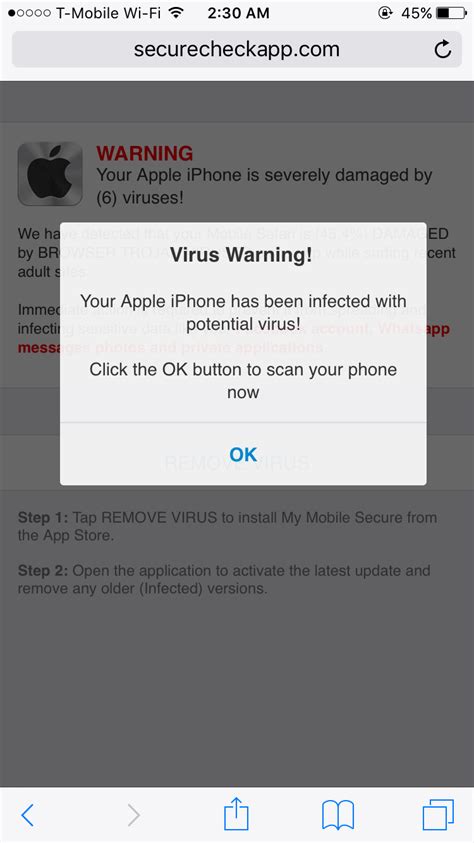
Apple has released iOS 26.2 to patch two critical WebKit flaws (CVE‑2025‑43529 and CVE‑2025‑14174) that are actively exploited by sophisticated spyware. The update is mandatory for iPhone 11 and newer models, and a device restart provides an immediate mitigation for users who cannot install the update right away. Failure to act leaves devices exposed to remote code execution and surveillance.
What Triggered the Warning?
The alert stems from two severe WebKit vulnerabilities that allow remote code execution when a user visits a malicious web page. Attackers can embed malicious links in texts, emails, or QR codes to inject arbitrary code, bypassing iOS’s sandbox protections. Apple’s security bulletin confirms the flaws are being exploited in the wild and links them to advanced spyware campaigns targeting high‑value individuals.
Scope of the Threat
Apple estimates that roughly 30 % of active iPhones remain on pre‑iOS 26 releases, representing over 150 million devices. Users on older versions are vulnerable to WebKit‑based attacks that could grant attackers full control of the device, including access to photos, location data, and Secure Enclave credentials.
Why Restart Matters
Restarting an iPhone forces the operating system to reload kernel extensions and security policies, clearing any malicious code that may have been injected into a running session. While a restart is not a substitute for the full iOS 26.2 update, it offers a rapid mitigation for users on limited data plans or in regions with delayed OTA rollouts.
Apple’s Security Approach
Historically, Apple has combined “security by obscurity” with aggressive patching. This incident marks a shift: Apple not only disclosed the CVEs but also displayed an on‑screen warning—mirroring the urgency seen in Android’s critical update prompts. The WebKit engine has repeatedly been a flashpoint, and the current flaws affect every browser on iOS, expanding the potential attack surface.
Impact on Users and Enterprises
- Consumers: Update to iOS 26.2 immediately and restart the device to block active exploitation.
- Enterprises: Enforce mobile device management (MDM) policies that require automatic updates or flag devices running pre‑iOS 26 for immediate remediation.
- Developers: Recognize that a single malicious script can compromise any unpatched iOS device, prompting stricter security testing for web‑based applications.
Future Outlook
Apple has pledged ongoing monitoring and may release additional mitigations if new exploitation evidence emerges. Analysts expect spyware operators to seek alternative vectors, reinforcing the need for users to keep software current, restart regularly, and remain cautious of unexpected links.