
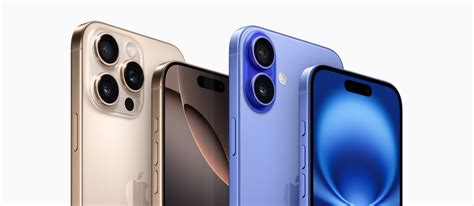
Apple iPhone 18 Launches with A20 Chip – What’s New in 2026
The iPhone 18 arrives in spring 2026 with the new A20 Bionic chip, a 48‑megapixel main camera, and a sleek titanium‑alloy design that drops the Lightning port for USB‑C. Alongside it, Apple plans a budget‑friendly, notch‑free iPhone 17e for fall 2026 and a premium iPhone Fold targeting early 2027, reshaping its product cadence.
The iPhone 18: Specs, Pricing, and Design
Performance and Chipset
Powered by the A20 Bionic, the iPhone 18 delivers a 15‑20% boost in CPU speed and a 30% increase in GPU throughput thanks to the 5‑nanometer “N5+” process and an upgraded Neural Engine for real‑time augmented reality and on‑device AI tasks.
Camera Upgrades
The standard model features a 48‑megapixel primary sensor, while the Pro line upgrades to a 64‑megapixel main sensor paired with a periscope‑style telephoto lens offering 5× optical zoom – the first such capability on an iPhone. Enhanced computational photography leverages the A20’s AI cores for superior low‑light performance and accurate color reproduction.
Design and Connectivity
Adopting a slimmer bezel and flat‑edge chassis reminiscent of the iPhone 12 series, the Pro versions receive a titanium alloy frame. The iPhone 18 also eliminates the Lightning port, switching entirely to USB‑C to meet upcoming EU regulations.
iPhone 17e: Affordable, Notch‑Free Option
Targeted for a fall 2026 release, the iPhone 17e offers a 6.1‑inch OLED display, a dual‑camera setup with a 12‑megapixel wide lens, and the A19 processor – a streamlined version of the A20 that maintains solid everyday performance. Priced around $599, it provides a full‑screen, notch‑free experience using an under‑display camera, appealing to cost‑conscious buyers.
Key Features
- 6.1‑inch OLED, all‑screen design
- Under‑display front camera eliminates the notch
- A19 chip balances performance and efficiency
- Dual‑camera system with 12 MP wide sensor
- Competitive $599 price point
Apple Fold: Premium Foldable Entry
Set for early 2027, the Apple Fold introduces a high‑end foldable experience at a price near £2,000 ($2,500). It combines a 7.6‑inch inner display with a 120 Hz ProMotion refresh rate and a 6.2‑inch outer cover screen, delivering seamless multitasking in a glass‑on‑glass hinge design.
Specifications
- 7.6‑inch inner display, 120 Hz ProMotion
- 6.2‑inch outer cover screen
- Powered by the upcoming A21 Bionic chip
- Advanced AI workloads and fold‑specific multitasking features
Market Impact
The Fold positions Apple in the premium foldable niche, challenging existing Android leaders and potentially resetting high‑end pricing dynamics. Its introduction signals Apple’s willingness to diversify form factors while maintaining its premium brand ethos.
Strategic Shifts in Apple’s Launch Cadence
Apple is moving to parallel development of multiple iPhone generations, enabling a spring flagship (iPhone 18), a fall budget release (iPhone 17e), and a later‑year foldable launch. This staggered approach reduces the traditional September launch crunch, smooths supply‑chain demands, and creates additional consumer touchpoints throughout the year.
What It Means for Consumers and the Industry
Consumers can expect faster processors, superior cameras, and new form‑factor options at varied price points, expanding iPhone accessibility. Industry competitors may feel pressure to accelerate their own release cycles and explore foldable designs, fostering a more continuous innovation rhythm across the smartphone market.
Conclusion
Apple’s 2026‑27 roadmap showcases unprecedented diversification: the high‑performance iPhone 18, the affordable notch‑free iPhone 17e, and the ambitious iPhone Fold. These moves highlight a strategic shift toward flexible launch timing and broader product offerings, reinforcing Apple’s influence on mobile technology trends while addressing diverse consumer needs.
This topic is currently trending in Technology.