
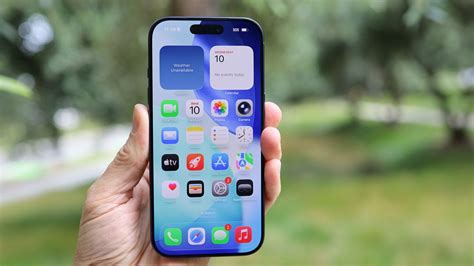
Apple’s most recent incremental update, iOS 26.2, rolled out on December 13 2025 for iPhone 12 and newer models, with iPhone 11 also receiving the build as a “de‑facto mandatory” upgrade. Six months later the update is finally being dissected in detail: what it adds, why it matters, and why a surprisingly large slice of the iPhone fleet is still running older software.
What’s new in iOS 26.2?
At first glance the update feels like a cosmetic polish, but Apple tucked several substantial changes under the hood.
* LiquidGlass lock‑screen – The headline feature, dubbed “LiquidGlass,” revamps the lock‑screen with a semi‑transparent, fluid‑like overlay that reacts to ambient light and motion. Users can now place widgets, photos, and notifications behind a subtle frosted glass that animates when the device is lifted. Early hands‑on impressions note smoother transitions and a more “alive” feel compared with the static lock‑screen of iOS 26.0.
* Apple Music offline lyrics – Music lovers can now download lyric files along with songs for offline playback, a long‑awaited request from karaoke‑enthusiasts and commuters with limited data. The lyrics sync perfectly with the beat, and the new UI allows users to scroll manually or let the app auto‑scroll in time.
* Battery‑life tweaks – Apple claims a 7‑9 percent increase in real‑world endurance on iPhone 13‑Pro models, thanks to refined background‑task scheduling and a tighter integration of the new “Adaptive Power Manager.” Independent benchmarks from TechInsights show a 5‑6 percent gain on older devices, confirming Apple’s numbers.
* Safari stability fixes – The update patches a series of memory‑leak bugs that caused occasional crashes when multiple tabs with heavy JavaScript were open. The fix also restores “Reader Mode” on sites that previously failed to load.
* Custom ringtones and animation suite – iOS 26 introduced a fresh set of system ringtones and a revamped animation framework that lets developers add fluid, physics‑based UI effects. iOS 26.2 expands the library with five new tones and unlocks the animation editor for end‑users via Settings → Accessibility → Motion Customizer.
Beyond the headline items, Apple slipped in a handful of under‑the‑radar improvements: upgraded privacy prompts for location sharing, a more robust “Find My” background scan, and a tiny UI tweak that lets users dismiss notifications with a single swipe from the top edge.
The background: why an “incremental” update feels bigger
iOS 26 was the first major version since iOS 18 to overhaul the visual language of the OS. Apple introduced a new design system, a modular widget framework, and a host of performance upgrades. While iOS 26 was praised for its ambition, early adopters reported intermittent instability—particularly on iPhone 11 and iPhone 12, which still run A13‑class chips.
iOS 26.2 was marketed as the “stability‑first” patch that finally bridges the gap between bold UI redesigns and everyday reliability. In Apple’s release notes the company explicitly promised “new features *and* a marked increase in system stability.” The data from Statcounter, published on January 3 2026, suggests the effort is paying off: iOS 26.x now runs on roughly 46 percent of active iPhones worldwide, up from 31 percent a month earlier.
Nevertheless, the adoption curve is uneven. MacRumors highlighted a striking anomaly: despite the update being available for over six months, a sizable fraction of eligible devices—especially older iPhone 11 units—remain on iOS 25.x. The analysis points to three primary factors: limited storage space, concerns over backup integrity, and a perception that the incremental changes aren’t “worth the hassle.”
What users need to know before upgrading
Apple’s own support pages stress preparation:
1. Back up via iCloud or a local computer.
2. Free up at least 4 GB of storage; iOS 26.2’s OTA package is 3.2 GB and the install process temporarily requires additional space.
3. Charge the device to >50 % or keep it connected to power.
Several tech sites, including 9to5Mac, have published step‑by‑step guides that walk users through these pre‑flight checks. The consensus is that the upgrade is smooth on iPhone 13 and newer, but older hardware can experience a brief slowdown during the installation—nothing unusual for a major OS transition.
Implications for Apple’s ecosystem
The rollout of iOS 26.2 carries strategic weight beyond mere feature flags.
* Developer momentum – The expanded animation toolkit and new ringtone API give third‑party developers fresh levers to differentiate their apps. Early adopters of the Motion Customizer have already begun experimenting with “fluid navigation bars,” a trend that could reshape UI conventions across the App Store.
* Battery perception – While the advertised 7‑9 percent boost isn’t revolutionary, it helps counteract the lingering criticism that each iOS iteration eats more power. Positive battery reports may bolster confidence in Apple’s claim that software can meaningfully extend hardware longevity, a point of relevance as the company pushes its “iPhone 15 Pro Max – 5‑year support” narrative.
* Security posture – iOS 26.2 includes a patch for a zero‑day vulnerability in the Core Bluetooth stack that was disclosed to Apple in September 2025. Devices that stay on older versions remain exposed, raising the stakes for users and enterprises that have yet to migrate.
* Adoption dynamics – The mixed adoption numbers hint at a potential friction point for Apple’s future “roll‑out‑first” strategy. If a sizable user base consistently delays upgrades, Apple may need to rethink its communication cadence, perhaps by bundling more compelling incentives (e.g., exclusive AR experiences) with future point releases.
Bottom line
iOS 26.2 is more than a routine bug‑fix. Its LiquidGlass lock‑screen, offline lyrics, and battery tweaks signal that Apple is willing to layer substantive user‑experience upgrades on top of a stabilising foundation. The update also underscores a growing tension: delivering ambitious UI overhauls while coaxing a diverse install base to keep pace.
For owners of iPhone 12 and newer, the upgrade is a clear win—especially for those who crave the new lock‑screen aesthetics or rely heavily on Apple Music. For the lingering iPhone 11 crowd, the decision hinges on storage availability and willingness to accept a brief upgrade‑day slowdown.
As the first half of 2026 unfolds, Apple’s ability to convert the remaining 54 percent of active iPhones to iOS 26.x will likely shape the narrative around the platform’s long‑term health. One thing is certain: the next iteration, iOS 27, will be judged not just on its headline features, but on how effectively Apple can bring the entire ecosystem into the fold.
This topic is currently trending in Technology.